
2 min read read
Copper vs. Nickel Undercoat: Base Layer Selection Guide
The foundation of a good plating job is the undercoat. Learn when to use a Copper strike for leveling and when to use Nickel as a diffusion barrier.
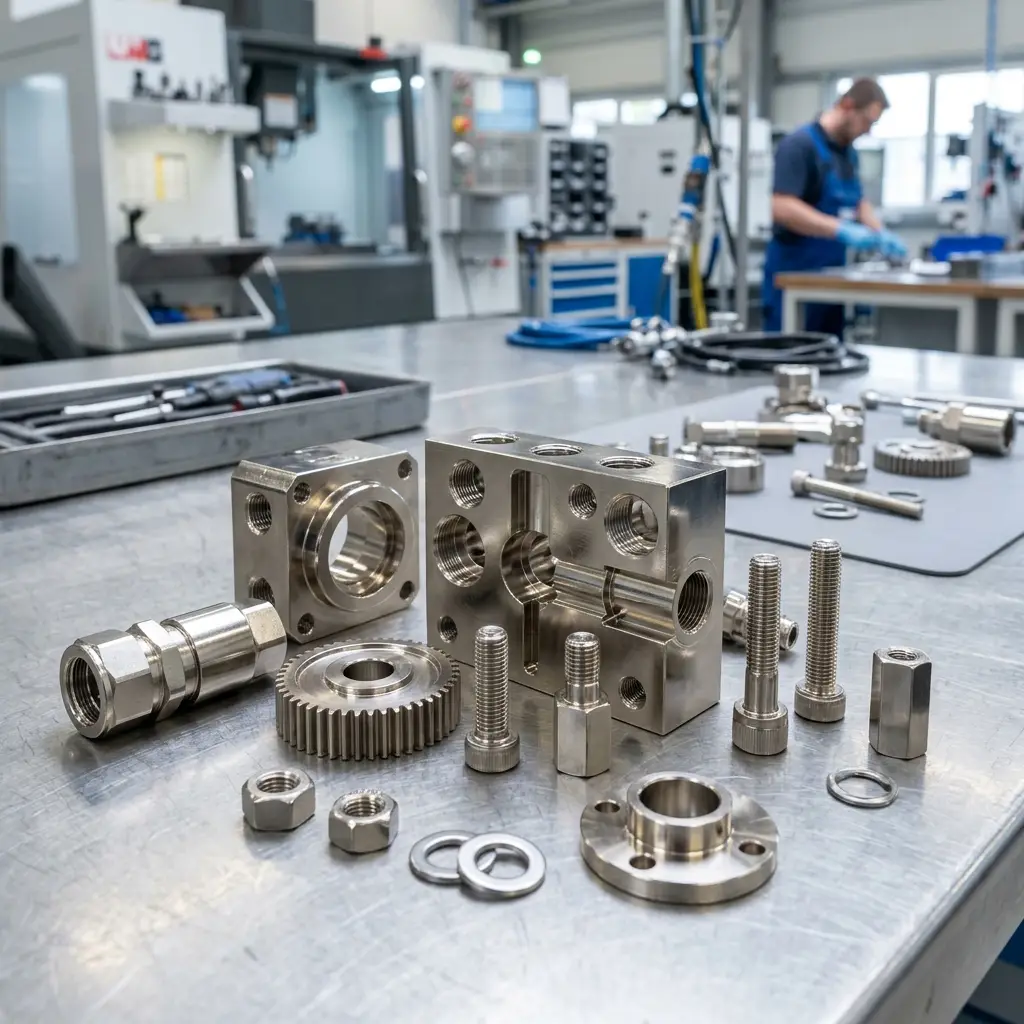
Every great building needs a foundation. In electroplating, the “topcoat” (the gold, tin, or chrome you see) relies entirely on the undercoat for its adhesion, smoothness, and long-term stability.
The two most common undercoats are Copper and Nickel. Choosing the right one is a critical engineering decision.
1. When to Choose Copper as an Undercoat
Copper is the “great leveler” and the universal adhesive.
- Leveling Power: Acid copper fills in microscopic scratches and machining marks, creating a smooth mirror finish for decorative chrome.
- Adhesion on Zinc: You cannot plate anything directly onto zinc die-castings without a copper strike; the chemicals would dissolve the part.
- Thermal Ductility: Copper is soft and absorbs the stress of thermal expansion between different metals.
2. When to Choose Nickel as an Undercoat
Nickel is the “impenetrable barrier.”
- Diffusion Barrier: If you plate Tin or Gold directly onto Brass, the zinc in the brass will migrate and ruin the finish. Nickel stops this migration cold.
- Hardness: Nickel provides a rigid “anvil” under soft topcoats like Gold, preventing the topcoat from being crushed or worn away under mechanical load.
- Corrosion Barrier: Nickel provides the primary waterproof seal for steel components.
The Verdict
- Use Copper: For decorative parts needing a mirror finish, for zinc die-casts, and where maximum adhesion on difficult substrates is required.
- Use Nickel: For electrical connectors, as a base for hard gold, and for functional corrosion resistance on steel.
Most high-performance specifications use BOTH: a Copper strike followed by a Nickel barrier. Contact Platinex Industries to ensure your plating stack is built on the correct foundation.