
Logistics and Packaging for Electroplated Parts
How you pack your parts is as important as how you plate them. Learn the best practices for preventing shipping damage, tarnish, and white rust during transit.
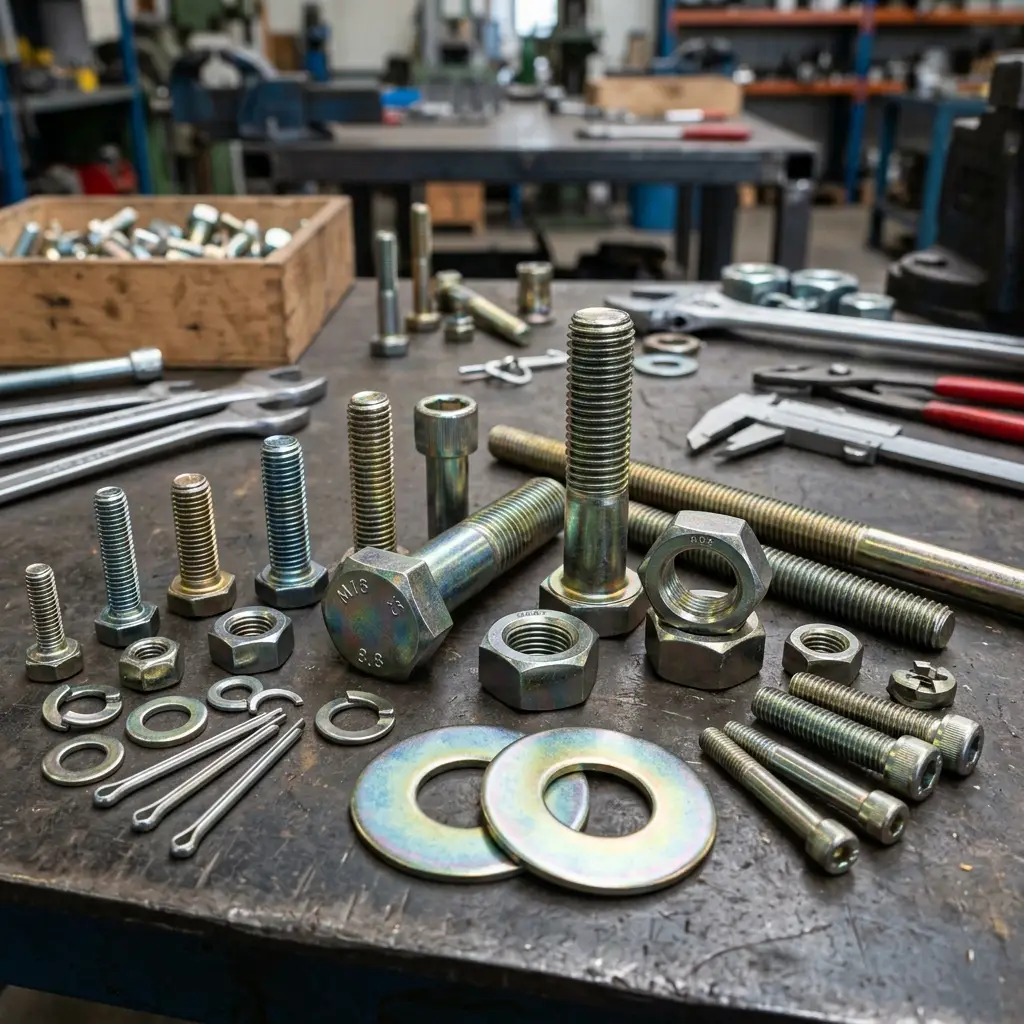
You can produce a perfectly plated part, but if it is packed incorrectly, it will arrive at the customer with scratches, tarnish, or red rust. For a high-volume plating vendor, logistics and packaging are critical quality steps.
1. Preventing Mechanical Damage
- Nesting: Large, heavy parts should never be “dumped” into a crate. They will nest together and scratch the plating.
- Layering: Using cardboard or plastic spacers between layers of parts is mandatory for decorative or high-precision components.
2. Preventing Corrosion During Transit
- VCI (Vapor Corrosion Inhibitor) Bags: These specialized bags emit a dry vapor that forms a microscopic protective layer on the metal, preventing rust during overseas shipping or humid transit.
- Desiccants: Silica gel packets should be used inside sealed bags to absorb any trapped moisture that could trigger white rust on zinc-plated parts.
3. Sulfur-Free Packaging for Silver
As discussed in our silver guide, silver must be packed in sulfur-free paper. Standard brown cardboard contains sulfur and will turn your silver parts black in transit.
Platinex Industries provides custom packaging solutions—including VCI bagging and precision layering—to ensure your parts arrive in “tank-fresh” condition. Contact our logistics team to discuss your shipping requirements.