
What Determines the Cost of Electroplating? A Pricing Breakdown
A transparent look at the factors that drive electroplating costs. Learn how metal type, part geometry, thickness tolerances, and environmental compliance impact your surface finishing quotes.
For many procurement professionals and design engineers, electroplating quotes can seem arbitrary. You might send the same bracket to three different plating shops and receive wildly different prices. Or, you might switch the material of a component slightly and see the plating cost double.
Electroplating is a complex electrochemical manufacturing process. The cost is driven by far more than just the price of the metal being deposited. Understanding the factors that influence plating economics will help you design more cost-effective parts and evaluate supplier quotes intelligently.
Here is a breakdown of what actually determines the cost of electroplating.
1. The Method: Rack vs. Barrel Plating
This is the largest single differentiator in plating cost.
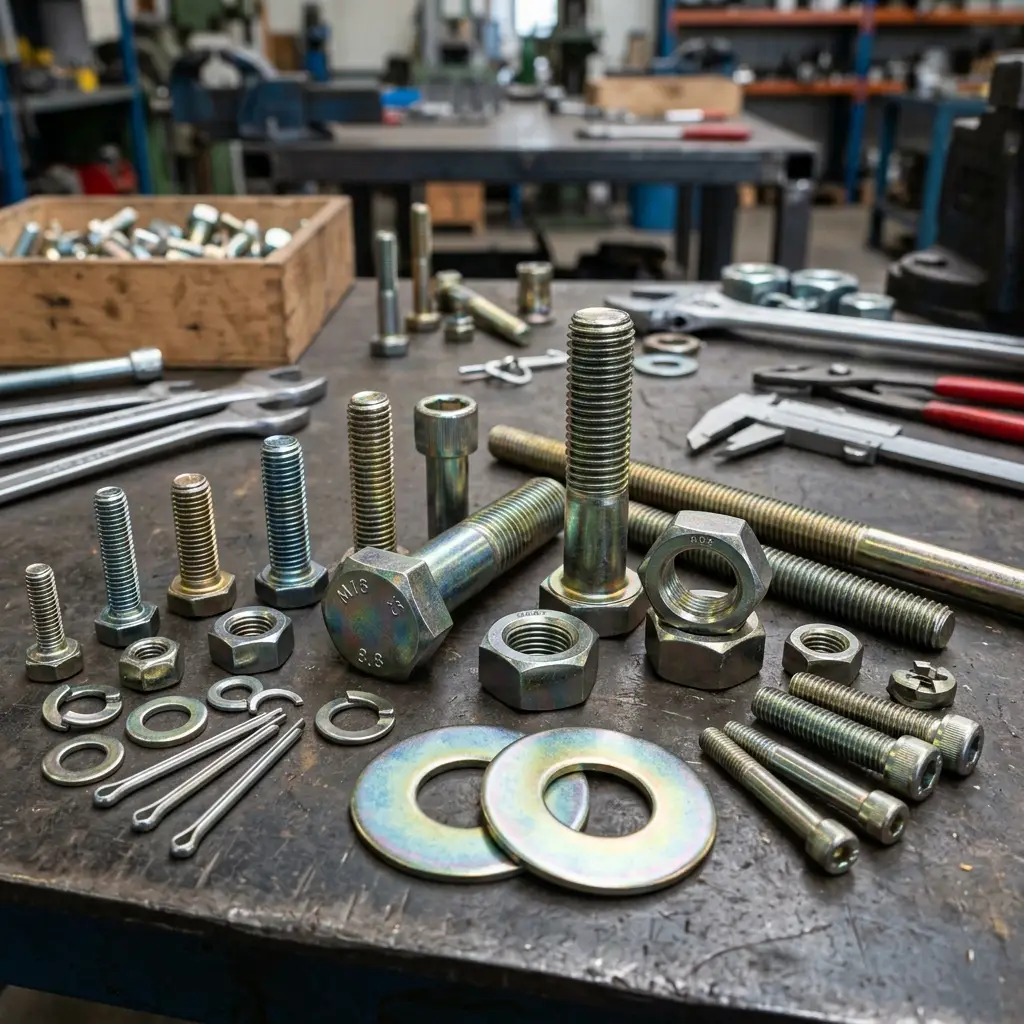
- Barrel Plating (Low Cost): High-volume, small parts (like nuts, bolts, washers, small stampings) are loaded in bulk into a rotating plastic barrel. Labor is minimal because thousands of parts are processed simultaneously.
- Rack Plating (High Cost): Larger, heavier, or fragile parts must be manually hung (fixtured) individually onto custom metal racks before entering the baths. The manual labor required to rack and unrack every single piece drives the cost up significantly.
Design Tip: If your part is small but has delicate external threads that would get damaged tumbling in a barrel, you will be forced to pay for rack plating. Designing to allow for barrel plating is the fastest way to slash costs.
2. The Type of Metal (The Commodity Cost)
The raw material cost of the metal anode being consumed in the bath plays a huge role, especially as thickness increases.
- Zinc: Very cheap. The baseline for industrial corrosion protection.
- Copper & Nickel: Moderate cost. Driven by global commodity markets.
- Tin: Moderate to high cost. Subject to supply chain volatility.
- Silver & Gold: Extremely high cost. These quotes are often tied to the daily precious metals spot market, and prices can fluctuate daily.
- Alloys (e.g., Zinc-Nickel): Higher cost than standard zinc due to the price of nickel and the complex organic chemistry required to maintain the alloy ratio.
3. Substrate Material (What are we plating onto?)
The metal your part is made of dictates the complexity of the pre-treatment process. Electroplating requires a perfectly clean, active surface.
- Mild Steel: The easiest and cheapest substrate to prepare. Standard alkaline cleaning and a quick acid dip are usually sufficient.
- Aluminum: Extremely difficult to plate. Aluminum instantly forms an oxide layer that rejects plating. It requires a complex, multi-step “Zincate” double-dip process before it can accept standard plating. This adds significant cost.
- Stainless Steel: Requires a specialized, highly acidic “Wood’s Nickel Strike” to strip the passive chromium layer and ensure adhesion.
- Castings (Iron or Aluminum): Castings are porous. They trap oils and cleaning chemicals, leading to blistering. They require intensive pre-treatment, ultrasonic cleaning, and extended rinsing, all of which drive up processing time and cost.
4. Part Geometry and Masking
Electroplating relies on the flow of direct electrical current (DC). Electricity follows the path of least resistance.
- Complex Shapes: Parts with deep recesses, blind holes, or internal tubes suffer from poor “throwing power.” It takes longer (and requires specialized internal anodes) to force the plating into these low-current areas.
- Masking: If a drawing specifies “Do Not Plate This Thread” or “Keep This Surface Bare,” the plating shop must manually apply tapes, plugs, or liquid maskants to that specific area before plating, and manually remove them afterward. Masking is entirely manual labor and dramatically increases the cost per part.
Design Tip: Avoid masking whenever possible. If you need a bare surface, it is often cheaper to plate the entire part and machine the plating off the critical surface afterward than to pay for manual masking.
5. Thickness and Tolerances
- Time is Money: Plating thickness is a direct function of time in the tank. Plating 25 µm of zinc takes roughly twice as long as plating 12 µm, tying up line capacity.
- Tight Tolerances: If a drawing specifies an incredibly tight tolerance (e.g., 8 µm to 10 µm), the plater must employ extensive quality control, perform multiple XRF (X-ray Fluorescence) thickness measurements during the run, and likely experience higher scrap rates.
6. Post-Plating Treatments (Baking)
If your part is made of high-strength steel (typically > 32 HRC or > 1000 MPa tensile strength), the electroplating process will introduce atomic hydrogen into the steel, risking Hydrogen Embrittlement (a sudden, catastrophic brittle fracture).
To prevent this, standards require these parts to be baked in an oven at roughly 190°C for 4 to 24 hours immediately after plating. This requires specialized industrial ovens, consumes energy, and adds 12-24 hours to the processing lead time.
7. Environmental Compliance and Waste Treatment
You are not just paying for the chemicals that go onto your part; you are paying to safely dispose of the chemicals that don’t.
Modern, compliant plating shops operate massive Effluent Treatment Plants (ETP) to neutralize acids, precipitate heavy metals, and ensure zero harmful discharge into the environment. Transitioning to RoHS-compliant chemistries (like Trivalent Passivations instead of Hexavalent Chrome) often involves more expensive raw chemicals.
If a plating quote seems “too good to be true,” it is often a red flag that the supplier is cutting corners on environmental compliance and waste treatment.
Understanding these factors allows for better supplier partnerships. At Platinex Industries, we believe in transparent pricing. Contact our engineering team to review your part drawings and identify design changes that could optimize your surface finishing costs.