
Surface Finishing for Railway and Metro Components
Railway and Metro infrastructure requires extreme durability. Learn the plating standards for structural metro components, rail fasteners, and high-voltage traction systems.
The expansion of Metro Rail and high-speed rail networks across India represents one of the largest infrastructure investments in history. For these networks to operate safely for 50+ years, every component—from the heavy structural bolts holding the overhead lines to the delicate sensors in the signaling systems—must survive extreme vibration, humidity, and constant environmental exposure.
Surface finishing for the railway sector is a matter of public safety. A corroded fastener or a failed electrical contact can lead to service interruptions or, in extreme cases, derailments.
1. Traction Systems and Electrical Infrastructure
Metro systems rely on high-voltage DC or AC traction power. This power is distributed through a complex network of overhead catenary wires, third rails, and substations.
Catenary Hardware
The hardware used to support overhead lines is exposed to the elements 24/7.
- The Finish: Heavy Hot-Dip Galvanizing (HDG) is used for large steel brackets.
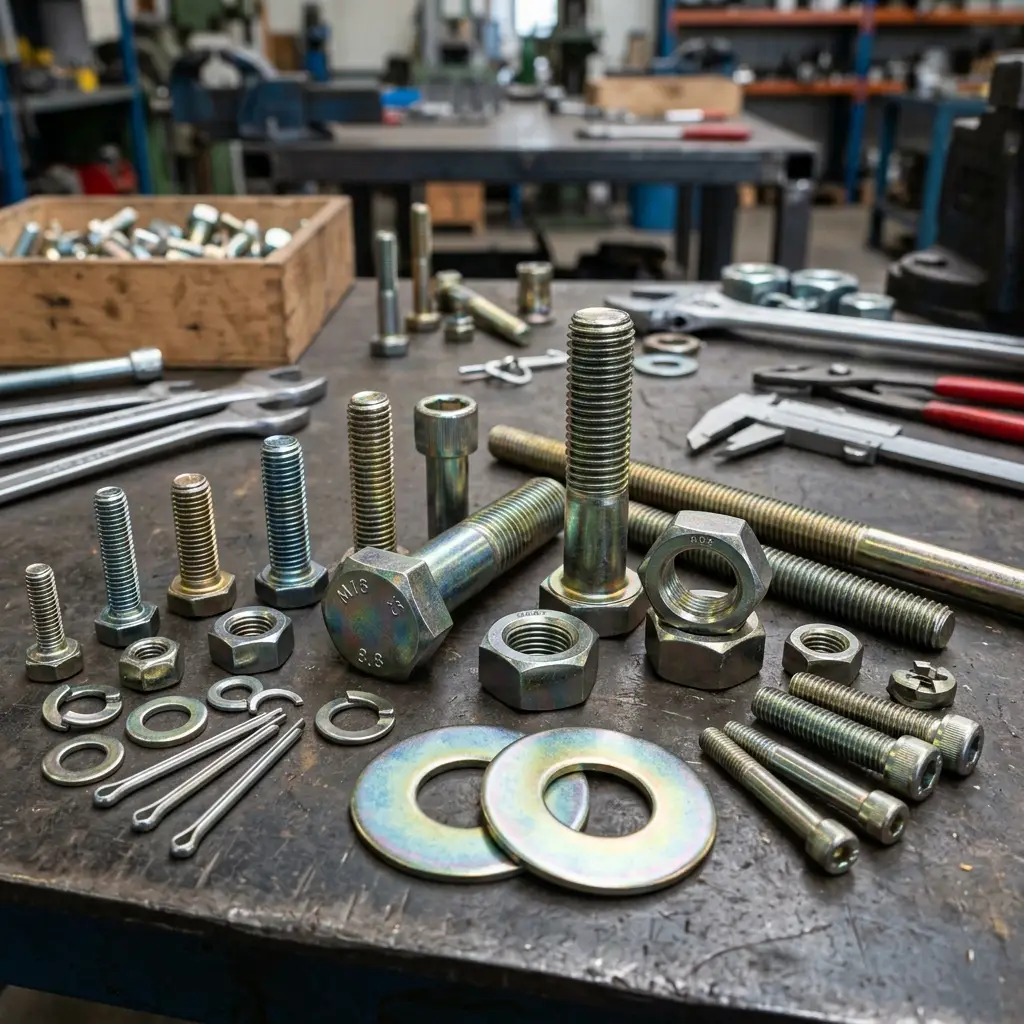
- Precision Components: For threaded fasteners and tensioning devices where HDG is too thick, Zinc-Nickel Alloy Plating (12-15% Ni) is the mandatory standard. It provides 1,000+ hours of salt spray resistance, matching the lifespan of the larger structural components.
Traction Motor Contacts
The motors that drive metro trains require massive amounts of current.
- The Finish: Heavy Silver Plating (15-25 µm) is specified for the high-current contacts within the traction inverters and motor terminal boxes. Silver ensures minimum resistance and prevents heating under the extreme load of a train accelerating from a station.
2. Rail Fasteners and Structural Hardware
Modern tracks use sophisticated elastic fastening systems (like Pandrol clips) to secure the rail to the sleepers.
- The Problem: These clips are under constant high tension and are subjected to millions of cycles of vibration and impact as trains pass. They are also frequently submerged in water during monsoon seasons.
- The Finish: Zinc-Flake Coatings (like Geomet) are often preferred for rail clips because they provide high corrosion resistance without the risk of hydrogen embrittlement, which is a critical concern for high-spring-tension components.
- Track Bolts: Standard track bolts and nuts are typically Zinc Plated with a Thick-Film Trivalent Passivation and a topcoat sealer to ensure they can be loosened for maintenance years after installation.
3. Signaling and Communication Systems
Railway signaling is “fail-safe,” meaning any failure must result in a red signal.
- The Requirement: Electronic signaling boxes installed along the tracks are exposed to temperature extremes and humidity. The internal connectors must not oxidize.
- The Finish: Nickel + Matte Tin is the standard for signaling terminals. As discussed in our telecom guide, matte tin prevents the growth of conductive “tin whiskers” that could cause short circuits in the safety-critical signaling logic.
At Platinex Industries, we support the rapid growth of India’s metro and rail infrastructure. We provide XRF-certified Zinc-Nickel and Heavy Tin plating services that meet the rigorous durability standards of the railway industry. Contact our engineering team to discuss your metro project requirements.