
Cadmium Plating vs. Modern Alternatives: Safety and Performance
Cadmium offers unparalleled corrosion resistance and lubricity, but its extreme toxicity has led to global bans. Explore the best RoHS-compliant alternatives, including Zinc-Nickel and PTFE composites, for aerospace and military applications.
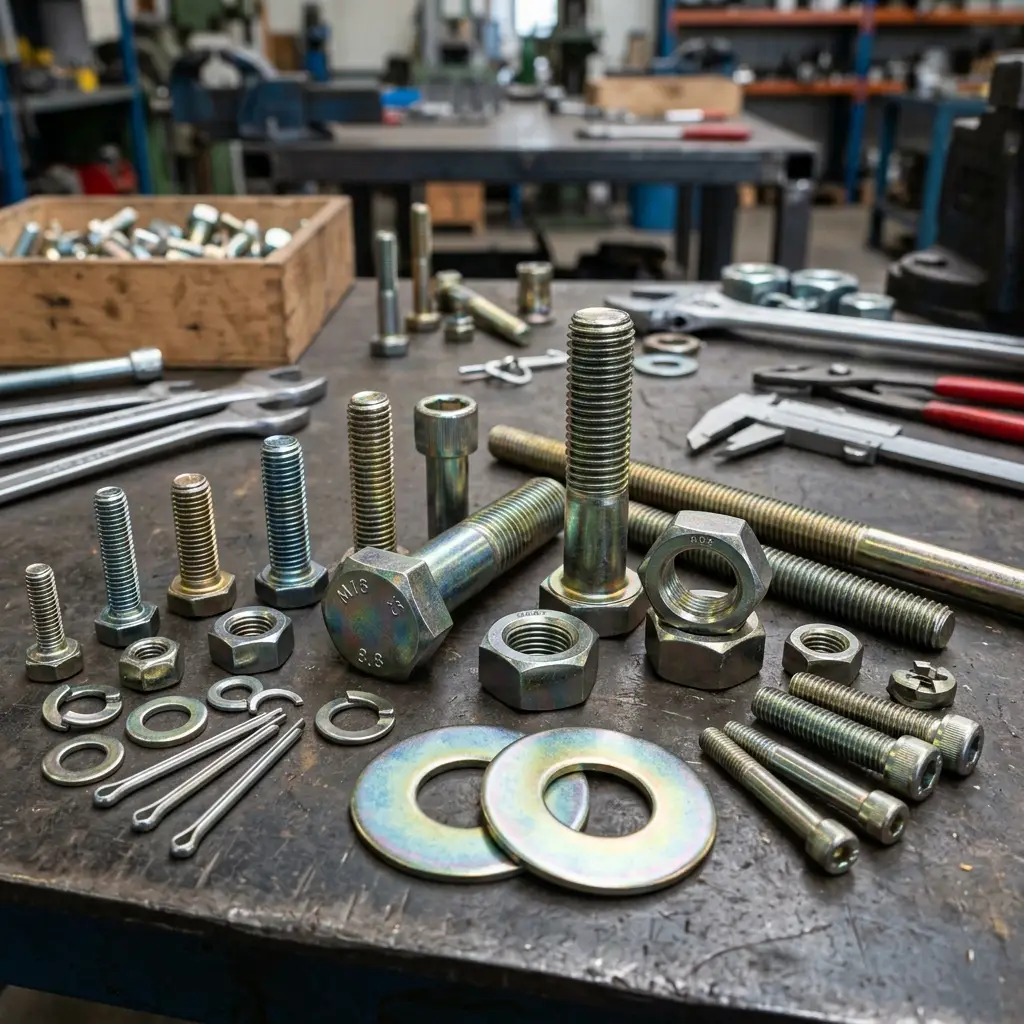
For decades, Cadmium (Cd) electroplating was the undisputed king of corrosion protection for critical engineering components. It possessed a unique combination of properties that seemed almost magical to aerospace and military engineers.
However, Cadmium is also highly toxic, a known human carcinogen, and an environmental disaster. Global regulations—most notably the European Union’s RoHS and REACH directives—have effectively banned the use of Cadmium in almost all commercial applications.
The challenge for the surface finishing industry has been finding an alternative that can match Cadmium’s “magic” properties. This guide explains why Cadmium was so beloved, why it must be replaced, and the leading compliant alternatives available today.
Why Was Cadmium So Popular? (The “Magic” Properties)
Engineers didn’t specify Cadmium just because it prevented rust. They specified it because it solved multiple mechanical problems simultaneously:
- Outstanding Corrosion Resistance (Even in Marine Environments): Cadmium provides sacrificial protection to steel, similar to zinc. However, the corrosion products of Cadmium (cadmium oxide/carbonate) are dense and tightly adhering, acting as an excellent barrier against further attack, particularly in salty marine environments where zinc degrades much faster.
- Natural Lubricity (Low Friction): This is Cadmium’s greatest mechanical advantage. It has a very low coefficient of friction. When a cadmium-plated nut is tightened onto a cadmium-plated bolt, the torque-tension relationship is incredibly smooth and predictable. It prevents “galling” (cold welding) of threads during assembly.
- Galvanic Compatibility with Aluminum: In the aerospace industry, steel fasteners are constantly driven into aluminum airframes. Cadmium is galvanically very close to aluminum, meaning a Cadmium-plated steel bolt will not cause the surrounding aluminum to corrode aggressively.
- Solderability: Cadmium can be easily soldered, making it useful for electrical grounding points.
- No Bulky Corrosion Products: When zinc corrodes, it forms “white rust”—a bulky, powdery substance that can bind up moving parts (like hinges or linkages). Cadmium’s corrosion products are thin and non-binding.
The Drive for Alternatives (RoHS and REACH)
The toxicity of Cadmium is severe. It accumulates in the human body (particularly in the kidneys) and has a biological half-life of over a decade.
The RoHS Directive (2011/65/EU) restricts Cadmium in electrical and electronic equipment to a maximum of 0.01% (100 ppm) by weight. Furthermore, under REACH, Cadmium and its compounds are heavily restricted.
While exemptions still exist for certain critical aerospace (landing gear) and military equipment where no suitable alternative has been qualified, the commercial supply chain has moved entirely to Cadmium replacements.
The Best Cadmium Alternatives
There is no single “drop-in” replacement for Cadmium that matches all of its properties perfectly. The choice of alternative depends on which specific property of Cadmium was most critical to the application.
1. Zinc-Nickel Alloy Plating (The Primary Replacement)
For automotive and heavy industrial applications, Zinc-Nickel (12-15% Ni) is the overwhelmingly preferred alternative.
- Pros: It matches or exceeds Cadmium’s raw salt-spray corrosion resistance (easily passing 720-1000 hours to red rust). It is significantly harder than Cadmium, offering better scratch resistance. It is RoHS compliant (when paired with Trivalent passivation).
- Cons: It lacks the natural lubricity of Cadmium.
- The Fix: To match the torque-tension properties of Cadmium, Zinc-Nickel plated fasteners are typically coated with a final topcoat—a silicate sealer containing PTFE (Teflon) or a specialized torque-tension fluid.
2. Zinc Flake Coatings (Geomet / Dacromet)
These are not electroplated; they are dip-spin, paint-like coatings packed with zinc and aluminum flakes, then baked to cure.
- Pros: Unbelievable corrosion resistance. Zero risk of hydrogen embrittlement (because there is no electroplating/acid process), making it ideal for Grade 12.9 high-strength fasteners. It provides excellent galvanic compatibility with aluminum.
- Cons: The coating is relatively thick and can build up in fine threads, making it unsuitable for very small fasteners or tight-tolerance machined parts.
3. Tin-Zinc Alloy Plating
An electroplated alloy typically containing 70% Tin and 30% Zinc.
- Pros: Offers excellent solderability (which Zinc-Nickel lacks). It is highly ductile, meaning the part can be bent or crimped after plating without the coating cracking. Its corrosion products are non-bulky, mimicking Cadmium in moving assemblies.
- Cons: Expensive. More difficult to control the bath chemistry than standard Zinc or Zinc-Nickel.
4. Electroless Nickel Plating (ENP)
- Pros: High-Phosphorus ENP offers exceptional chemical and corrosion resistance with perfect thickness uniformity. It is harder and more wear-resistant than Cadmium.
- Cons: ENP is a barrier coating, not a sacrificial coating. If the ENP is scratched down to the steel, the steel will rust rapidly. Cadmium, being sacrificial, would protect the scratch. ENP is also significantly more expensive.
Summary for Engineers
If you are updating legacy drawings that still call out “Cadmium Plate per QQ-P-416”:
- Determine the primary function. Is it pure corrosion protection? (Specify Zinc-Nickel).
- Is it thread lubricity for assembly? (Specify Zinc-Nickel + PTFE Topcoat).
- Is it a high-strength fastener where embrittlement is a major concern? (Specify Zinc Flake).
- Do you need to solder to it? (Specify Tin-Zinc).
At Platinex Industries, we do not process Cadmium due to environmental commitments. We specialize in high-performance RoHS-compliant alternatives like Zinc-Nickel. Contact our team for help updating your legacy finishing specifications.