
Electroplating for EV Bus Bars and Battery Terminals: A Technical Overview
Discover the specific electroplating requirements for Electric Vehicle (EV) bus bars and battery terminals, focusing on conductivity, thermal management, and safety.
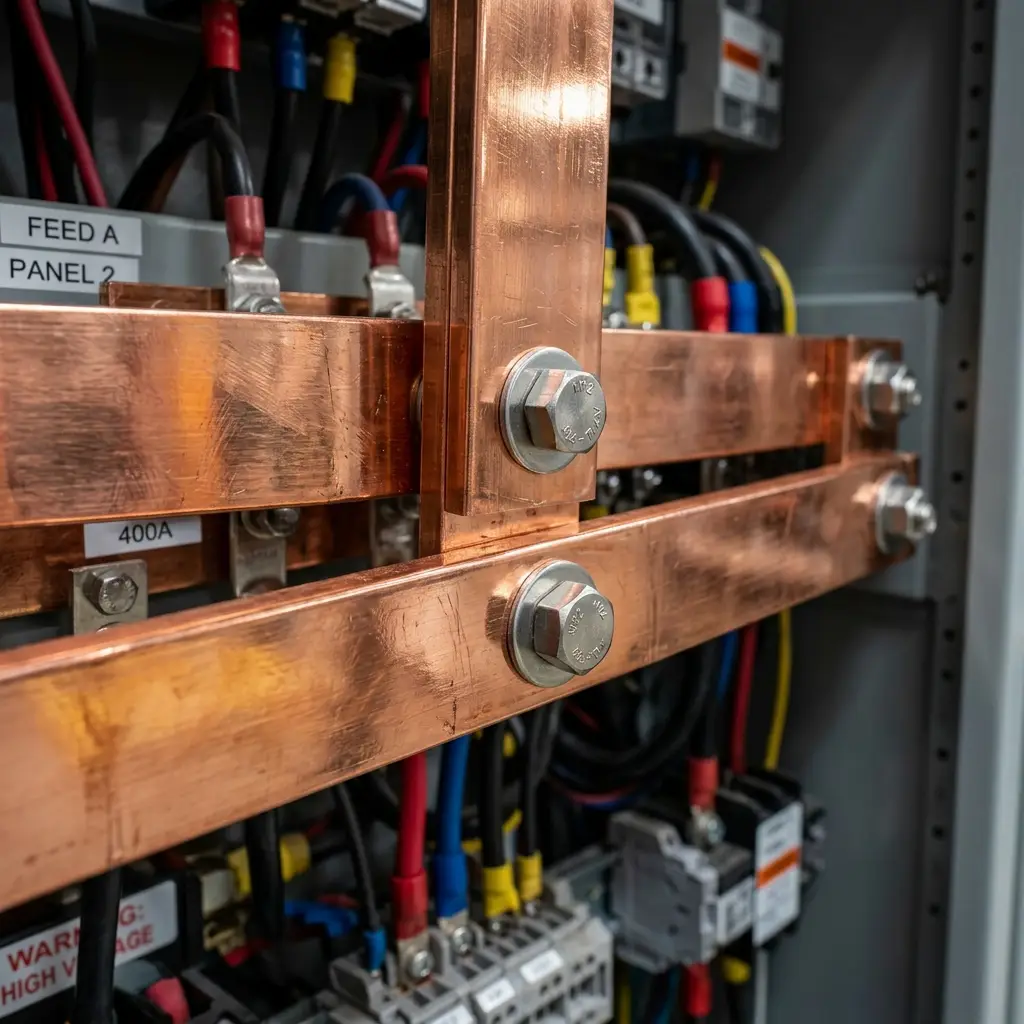
The explosive growth of the Electric Vehicle (EV) market has placed unprecedented demands on electrical infrastructure. Unlike traditional internal combustion engine vehicles, EVs rely on massive, continuous flows of high-voltage direct current (DC). At the heart of this power distribution network are bus bars and battery terminals.
These components, typically stamped from copper or aluminum, carry hundreds of amps of current. If their surface finish is compromised, the resulting electrical resistance generates heat. In an EV battery pack, excess heat is not just inefficient; it is a critical fire hazard.
This article explores the specialized electroplating strategies required to optimize EV bus bars and battery terminals for maximum conductivity and safety.
The Role of Electroplating in EV Power Distribution
Uncoated copper oxidizes rapidly when exposed to air. Copper oxide is a poor conductor. Uncoated aluminum forms a tenacious oxide layer instantly, making reliable electrical connections nearly impossible without surface treatment.
Electroplating these substrates solves three primary challenges:
- Preventing Oxidation: Creating an airtight barrier over the base metal.
- Lowering Contact Resistance: Ensuring that when a bus bar is bolted to a battery cell or inverter, the electrical connection is flawless.
- Aiding Manufacturing: Providing a surface that is easy to solder, laser-weld, or wire-bond during battery pack assembly.
Preferred Plating Finishes for EV Components
1. Tin Plating (Sn)
Tin is by far the most common finish for EV bus bars and terminals. It is highly cost-effective, offers excellent corrosion resistance in automotive environments, and provides exceptional solderability.
- The Matte Advantage: As discussed in our Matte vs. Bright Tin guide, matte tin is overwhelmingly preferred for EV applications to mitigate the risk of tin whiskers, which could cause catastrophic short circuits in a tightly packed battery module.
- Application: Copper bus bars connecting individual cells, high-voltage distribution boxes (PDUs).
2. Silver Plating (Ag)
When maximum conductivity is required and cost is less of a constraint, silver is the ultimate finish. Silver has the highest electrical and thermal conductivity of any metal. Even when silver oxidizes (tarnishes), silver sulfide remains highly conductive—a unique property that makes it incredibly reliable.
- Application: High-current charging pins, rapid-charge contactors, and critical inverter connections where heat dissipation is the absolute priority.
3. Nickel Plating (Ni)
Nickel is primarily used as a robust barrier layer. When tin is plated directly over copper, the two metals can diffuse into each other over time, forming brittle intermetallic compounds that increase resistance.
- The Solution: A thin layer of nickel (2-5 microns) is plated over the copper before the tin or silver topcoat is applied. This nickel barrier blocks diffusion and ensures long-term reliability in the high-temperature environment of an EV battery pack.
- Aluminum Substrates: For weight reduction, many OEMs are switching to aluminum bus bars. Aluminum must be plated with a zincate layer, followed by electroless nickel, before it can be effectively tin or silver-plated.
Thermal Cycling and Mechanical Stress
EV bus bars are subjected to aggressive thermal cycling. As the battery discharges and recharges, components heat up and cool down, causing them to expand and contract.
The electroplated coating must possess excellent adhesion and ductility to expand and contract with the base metal without cracking, peeling, or flaking. A flaking plating layer inside a high-voltage enclosure can easily cause a dangerous arc flash. Achieving this level of adhesion requires pristine chemical pretreatment and precise control of the plating bath chemistry.
Scaling EV Production with Platinex
As India pushes to become a global hub for EV manufacturing, the local supply chain must scale rapidly while maintaining zero-defect quality control.
At Platinex Industries, we specialize in high-volume, precision plating for electrical distribution components. We offer high-purity copper, barrier nickel, and matte tin finishes specifically engineered for the thermal and electrical demands of EV bus bars and terminals.
For large-scale EV battery manufacturers, we highly recommend exploring our Dedicated OEM Plating Lines model to guarantee throughput and secure your critical supply chain.
Contact our engineering team today to discuss your EV component specifications.