
Matte vs. Bright Tin Plating: Engineering the Perfect Electrical Contact
Understand the critical engineering differences between matte and bright tin plating, including whisker mitigation, solderability, and friction coefficients.
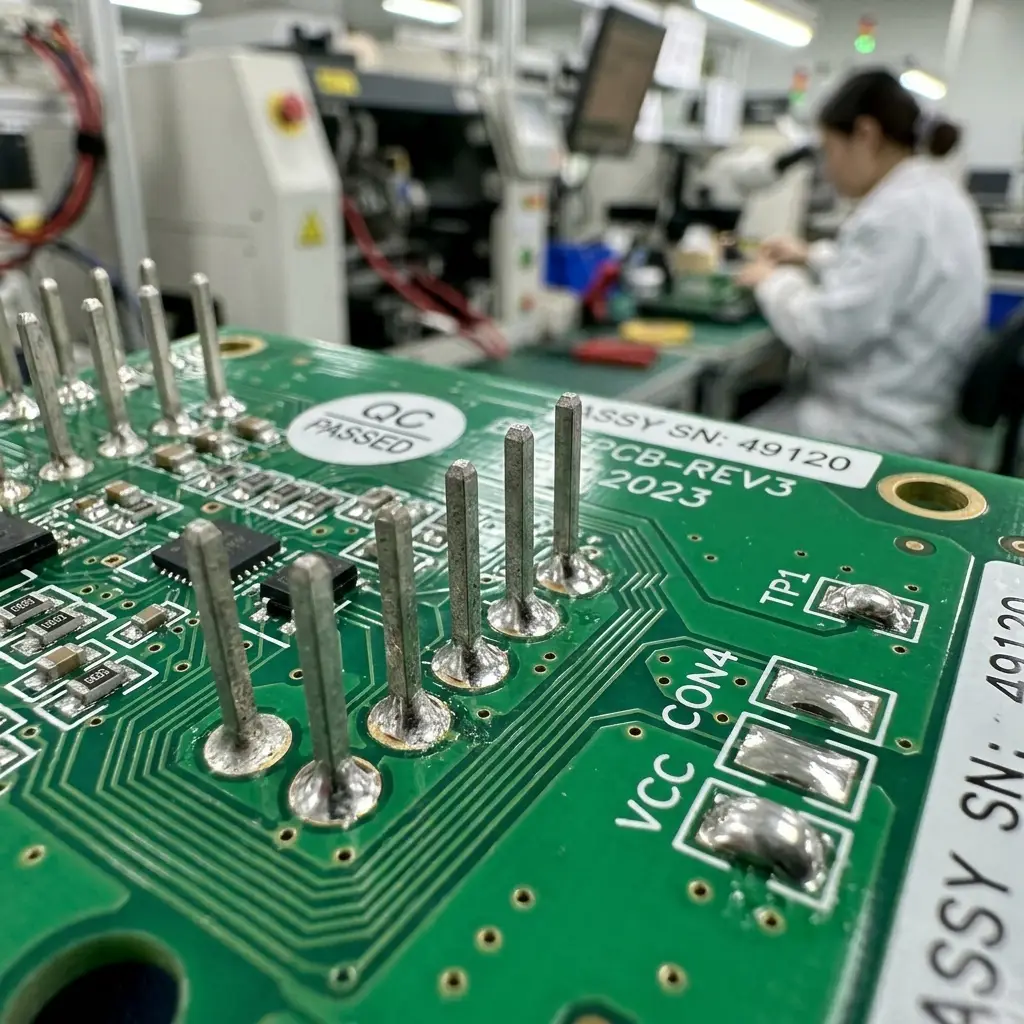
Tin plating is the workhorse of the electrical and electronics industries. It provides exceptional solderability, excellent electrical conductivity, and robust corrosion resistance at a fraction of the cost of silver or gold.
However, specifying “tin plating” on a drawing is not enough. Engineers must specify the finish: Matte or Bright. Choosing the wrong finish can lead to catastrophic short circuits or assembly line failures.
In this guide, we break down the engineering differences between matte and bright tin plating and when to specify each.
Bright Tin Plating: Aesthetics and Low Friction
Bright tin plating is achieved by adding organic brighteners to the electroplating bath. These brighteners cause the tin atoms to deposit in a highly refined, microscopic grain structure, resulting in a smooth, highly reflective, mirror-like finish.
The Advantages of Bright Tin
- Aesthetics: It looks fantastic. For consumer-facing components or parts where appearance implies quality, bright tin is unmatched.
- Low Friction: The smooth, fine-grained surface has a lower coefficient of friction than matte tin. This makes it ideal for electrical connectors and terminals that must slide together (mating cycles) without excessive insertion force.
- Tarnish Resistance: The smooth surface is less susceptible to finger marks and atmospheric oxidation (tarnishing) during handling and storage.
The Disadvantages of Bright Tin
- Solderability Degration: The organic brighteners codeposited in the tin layer can outgas during the extreme heat of wave soldering or reflow processes. This outgassing can cause voids in the solder joint, weakening the electrical and mechanical connection.
- Tin Whiskers: Bright tin is inherently highly stressed due to its fine grain structure. This internal stress makes bright tin significantly more prone to growing “tin whiskers”—microscopic, conductive hairs that can bridge gaps between components and cause catastrophic short circuits in dense electronic assemblies.
Matte Tin Plating: Solderability and Reliability
Matte tin is plated without the use of organic brighteners. The result is a larger, more coarse grain structure that scatters light, giving the finish a dull, white, non-reflective appearance.
The Advantages of Matte Tin
- Superior Solderability: Because there are no organic brighteners to outgas, matte tin provides a vastly superior surface for soldering. The solder joint is stronger, more consistent, and void-free.
- Whisker Mitigation: The large grain structure of matte tin significantly reduces internal compressive stress. While it does not eliminate the risk of tin whiskers entirely, matte tin is infinitely safer than bright tin for critical, long-life electronics (such as aerospace or medical devices).
- Higher Temperature Tolerance: Matte tin can withstand higher operating temperatures before the finish degrades or oxidizes severely.
The Disadvantages of Matte Tin
- Higher Friction: The coarse surface makes insertion harder for mating connectors.
- Fingerprinting: Matte tin easily picks up oils and dirt from handling, which can stain the finish and potentially interfere with soldering if not cleaned properly.
Summary: Which Should You Choose?
- Specify Bright Tin when: Your primary concern is cosmetics, low insertion force for sliding contacts, and the part will not be soldered (e.g., crimped terminals, bus bars, decorative hardware).
- Specify Matte Tin when: The component will be soldered to a PCB, long-term reliability is paramount, or the part is going into high-density electronics where tin whiskers pose a severe threat.
Precision Tin Plating at Platinex Industries
Whether you require the low-friction aesthetics of bright tin for switchgear components or the ultra-reliable solderability of matte tin for electronic terminals, precise bath control is essential.
At Platinex Industries in Nashik, we operate dedicated rack and barrel lines for both matte and bright tin plating. We utilize advanced chemistry to ensure uniform thickness, exceptional adhesion, and strict control over organic additives.
Contact our engineering team today to discuss your specific electrical contact requirements and ensure you specify the optimal finish for your application.