
2 min read read
Electroplating vs. Anodizing: Which Is Right for Your Metal?
One adds a layer of metal, the other grows a layer of oxide. Learn when to electroplate steel and when to anodize aluminum for your engineering projects.
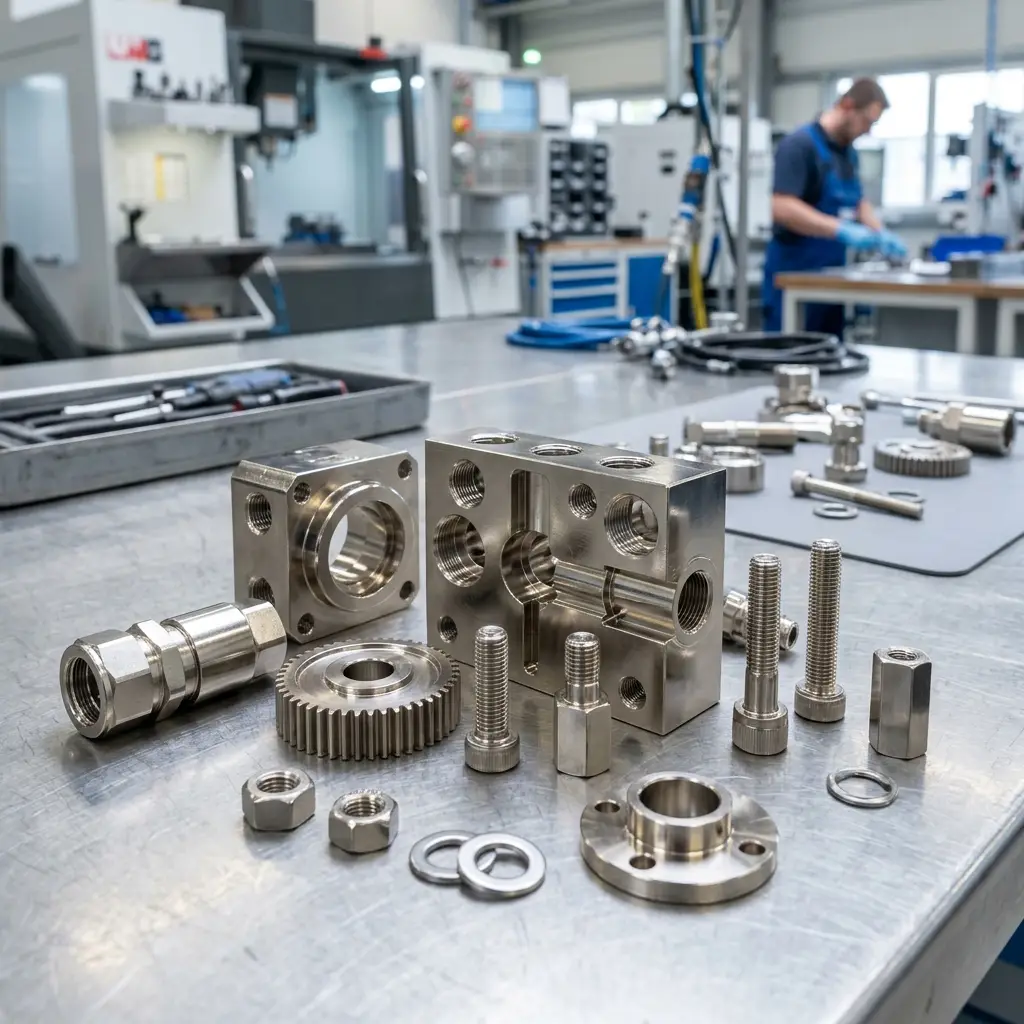
The most common question engineers ask when designing aluminum components is: “Should I plate it or anodize it?”
While both processes use electricity and acid baths, they are metallurgical opposites.
1. Addition vs. Conversion
- Electroplating: Adds a layer of a different metal (like Nickel or Zinc) on top of the substrate. The part gets larger.
- Anodizing: Converts the existing aluminum surface into aluminum oxide. The coating grows both into and out of the surface.
2. Substrate Limitations
- Electroplating: Can be applied to almost any metal (Steel, Copper, Brass, Aluminum, Titanium).
- Anodizing: Is almost exclusively for Aluminum, Titanium, and Magnesium. You cannot anodize steel.
3. Performance Characteristics
- Anodizing: Provides a hard, ceramic-like surface that is an electrical insulator. It is excellent for heat dissipation and decorative dyeing.
- Electroplating: Provides a metallic surface that is usually electrically conductive. It is the better choice for solderability and high-current electrical contacts.
Summary Decision Guide
- Anodize: If you have an aluminum part and need lightweight, non-conductive wear resistance or a vibrant dyed color (like red or blue).
- Electroplate: If you need a part (of any metal) to be highly conductive, solderable, or protected by a sacrificial metal like zinc.
At Platinex Industries, we provide both advanced electroplating and aluminum anodizing services. Contact our team to determine the optimal finishing path for your aluminum assemblies.