
Medical Device Plating: Sterilization, Biocompatibility, and Material Selection
An overview of the stringent requirements for medical device electroplating, focusing on biocompatibility, radiopacity, and surviving harsh sterilization cycles.
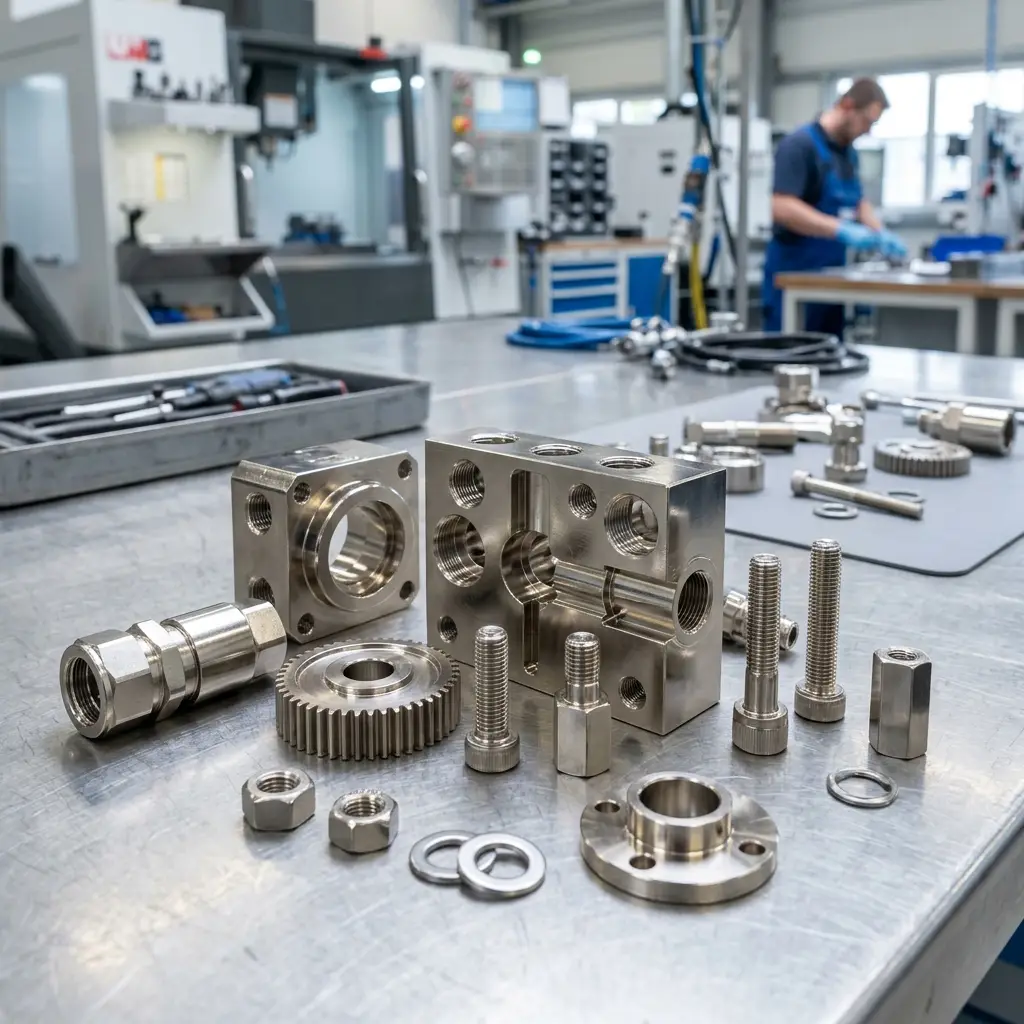
Surface engineering for the medical device industry involves a unique set of challenges found nowhere else in manufacturing. When a component is designed to enter the human body or operate in a sterile surgical environment, traditional metrics like “rust prevention” are secondary.
The primary concerns shift entirely to biocompatibility, radiopacity, and survival through brutal sterilization cycles.
This guide explores how electroplating and surface treatments are engineered to meet the zero-failure tolerances of the medical and surgical sectors.
1. Biocompatibility: Do No Harm
The absolute most critical requirement for any coating on a medical device is biocompatibility. The surface must not elicit an adverse immune response, cause toxicity, or degrade into harmful byproducts when exposed to bodily fluids.
The Role of Gold and Platinum
For implantable devices (like pacemakers, stents, and cochlear implants), noble metals are the standard.
- Gold Plating: 99.9% pure gold is biologically inert. It is used extensively on the electrical contacts of implantable devices and diagnostic equipment because it will never oxidize or react with tissue.
- Platinum: Used heavily in catheter guide wires and electrodes. It offers unparalleled biocompatibility and excellent electrical conductivity for neural stimulation.
The Danger of Nickel
While nickel plating is standard in industrial applications, it is highly problematic in the medical field. A significant portion of the population suffers from allergic contact dermatitis caused by nickel exposure. Therefore, medical specifications rigorously dictate that any nickel used as a barrier layer must be completely and flawlessly encapsulated by a biocompatible topcoat (like gold) to prevent any leaching.
2. Radiopacity: Seeing in the Dark
During minimally invasive surgeries (like angioplasty), surgeons navigate tools through the vascular system using X-ray fluoroscopy. However, many of the base materials used in modern catheters or guide wires are radiolucent—they are invisible under X-rays.
Electroplating solves this. By strategically plating bands of highly dense, radiopaque metals (specifically Gold or Platinum) onto the tips of catheters or guide wires, manufacturers give surgeons high-visibility markers to track the device’s precise location inside the body.
3. Surviving the Autoclave: Sterilization Resistance
Surgical instruments (scalpels, forceps, retractors) are rarely single-use. They must be sterilized between procedures. The most common method is the autoclave, which subjects the instruments to high-pressure saturated steam at 250°F to 273°F (121°C to 134°C).
Over time, this aggressive environment will destroy inferior coatings.
- Hardness and Adhesion: The plating must possess incredible adhesion to the stainless steel or titanium base metal to prevent flaking under thermal expansion and contraction.
- Electropolishing vs. Plating: Often, for surgical tools, the best “coating” is no coating at all. Instead of adding material, manufacturers use Electropolishing—a reverse plating process that microscopically smooths the stainless steel surface, removing burrs and creating a passive, ultra-clean surface that bacteria cannot easily cling to.
4. Anti-Microbial Surfaces
A rapidly emerging field in medical surface treatment is the application of inherently anti-microbial coatings.
- Silver Plating: Silver ions are naturally toxic to a wide range of bacteria. Thin, controlled layers of silver are increasingly being researched and applied to high-touch surfaces in hospital environments and certain temporary indwelling devices to reduce hospital-acquired infections (HAIs).
Building Medical-Grade Capability
Processing medical devices requires a cleanroom-like environment, completely segregated from industrial zinc or copper lines to prevent trace cross-contamination. Quality management must strictly adhere to ISO 13485 standards.
At Platinex Industries, we continuously explore high-value surface engineering niches. As part of our commitment to building Dedicated OEM Plants, we have the infrastructure and capital readiness to establish segregated, ISO-compliant cleanroom plating lines for medical device manufacturers looking to localize production in India.
Contact our strategic partnerships team to discuss custom surface engineering for your medical applications.