
Surface Treatment Standards for the Aerospace & Defense Supply Chain
Explore the rigorous surface finishing requirements for aerospace and defense manufacturing, including NADCAP standards, cadmium alternatives, and traceability.
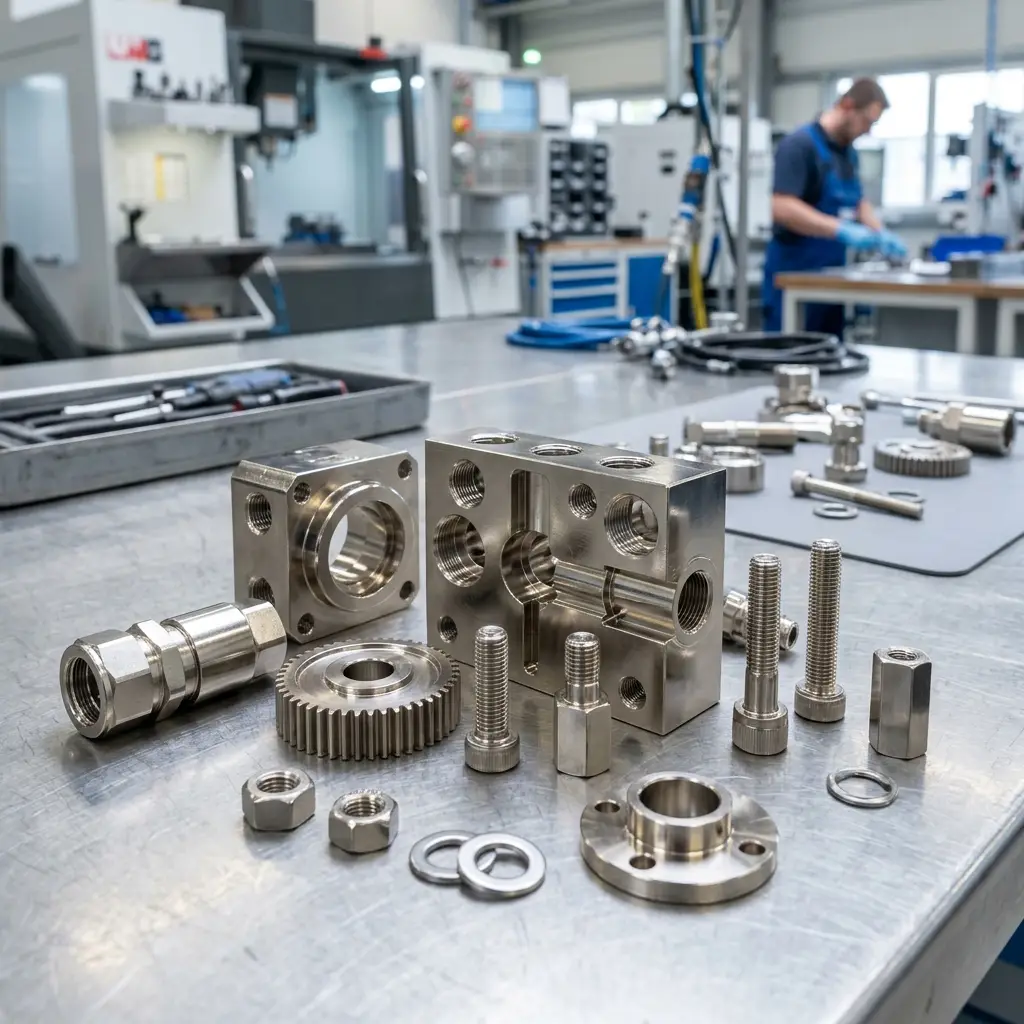
In the aerospace and defense (A&D) sectors, component failure is not simply an inconvenience—it is catastrophic. The operating environments for these components are among the most extreme on Earth, involving massive temperature fluctuations, high friction, vibration, and exposure to highly corrosive elements like aviation fuel and salt spray.
Consequently, the surface treatment—whether electroplating, anodizing, or passivating—is subject to the most rigorous engineering specifications in the manufacturing world.
This article outlines the critical standards and shifting technologies defining surface finishing within the A&D supply chain.
The Supremacy of Process Control
In commercial manufacturing, inspecting a random sample of finished parts might be acceptable. In aerospace, quality cannot be inspected into a part; it must be built into the process.
This philosophy is embodied in standards like AS9100 (Quality Management Systems for Aerospace) and specifically NADCAP (National Aerospace and Defense Contractors Accreditation Program). A NADCAP audit for chemical processing does not just look at the final plated part; it scrutinizes the entire history of the chemical bath:
- How often is the pH checked?
- Are the thermometers calibrated to NIST standards?
- Is there a documented out-of-control action plan if the bath concentration drops by 0.5%?
For OEMs, sourcing a plating vendor capable of this level of extreme statistical process control (SPC) and documentation traceability is the highest priority.
Key Plating Applications in Aerospace
1. Hard Chrome and Electroless Nickel (ENP)
Landing gear components, hydraulic actuators, and turbine shafts require extreme wear resistance and lubricity. Hard chrome has historically been the standard, but environmental concerns surrounding hexavalent chromium have pushed the industry heavily toward High-Phosphorus Electroless Nickel Plating (ENP). ENP provides a perfectly uniform, highly corrosion-resistant, and incredibly hard surface (when baked) that matches or exceeds hard chrome performance.
2. Cadmium and Its Alternatives
Cadmium plating has long been the gold standard for aerospace fasteners due to its exceptional corrosion resistance, natural lubricity (preventing galling when tightening bolts), and galvanic compatibility with aluminum airframes.
However, cadmium is highly toxic. The global push to eliminate cadmium has led A&D engineers to specify high-performance zinc-nickel alloys. Zinc-nickel (typically 12-16% nickel) offers comparable corrosion resistance to cadmium and is increasingly becoming the required specification for new military and commercial airframe designs.
3. Silver Plating
Used extensively in aerospace engine components and high-temperature fastening systems. Silver prevents “galling” (cold welding) of threaded parts that operate in extreme heat environments, such as jet turbine assemblies.
The Challenge of Hydrogen Embrittlement
High-strength steel alloys (commonly used in landing gear and structural fasteners) are highly susceptible to hydrogen embrittlement during the electroplating process. Hydrogen atoms generated during acid pickling or the plating cycle can migrate into the steel’s grain structure, causing sudden, catastrophic brittle failure under load.
A&D standards require strict embrittlement relief protocols. Parts must be transferred from the plating bath to a calibrated baking oven (often at 375°F / 190°C for 24 hours) within a highly specific time window (usually 1 to 4 hours) to bake the hydrogen out of the metal.
Building A&D Capability in India
As global aerospace OEMs increasingly look to India for supply chain diversification and offset manufacturing, the local ecosystem must upgrade to meet these uncompromising standards.
At Platinex Industries, we understand that transitioning to A&D manufacturing requires a fundamental shift from a “production” mindset to an “engineering and compliance” mindset. As outlined in our OEM Dedicated Lines model, we are strategically positioned and financially backed to build dedicated, fully compliant chemical processing lines for defense and aerospace contractors.
If your organization is looking to localize aerospace component manufacturing and requires a surface finishing partner capable of meeting global compliance and traceability metrics, contact our strategic partnerships team.