
Nickel vs Chrome Plating: When to Use Each
Nickel and Chrome are often used together, but they are very different metals. Learn the functional and aesthetic differences to choose the right finish for your application.
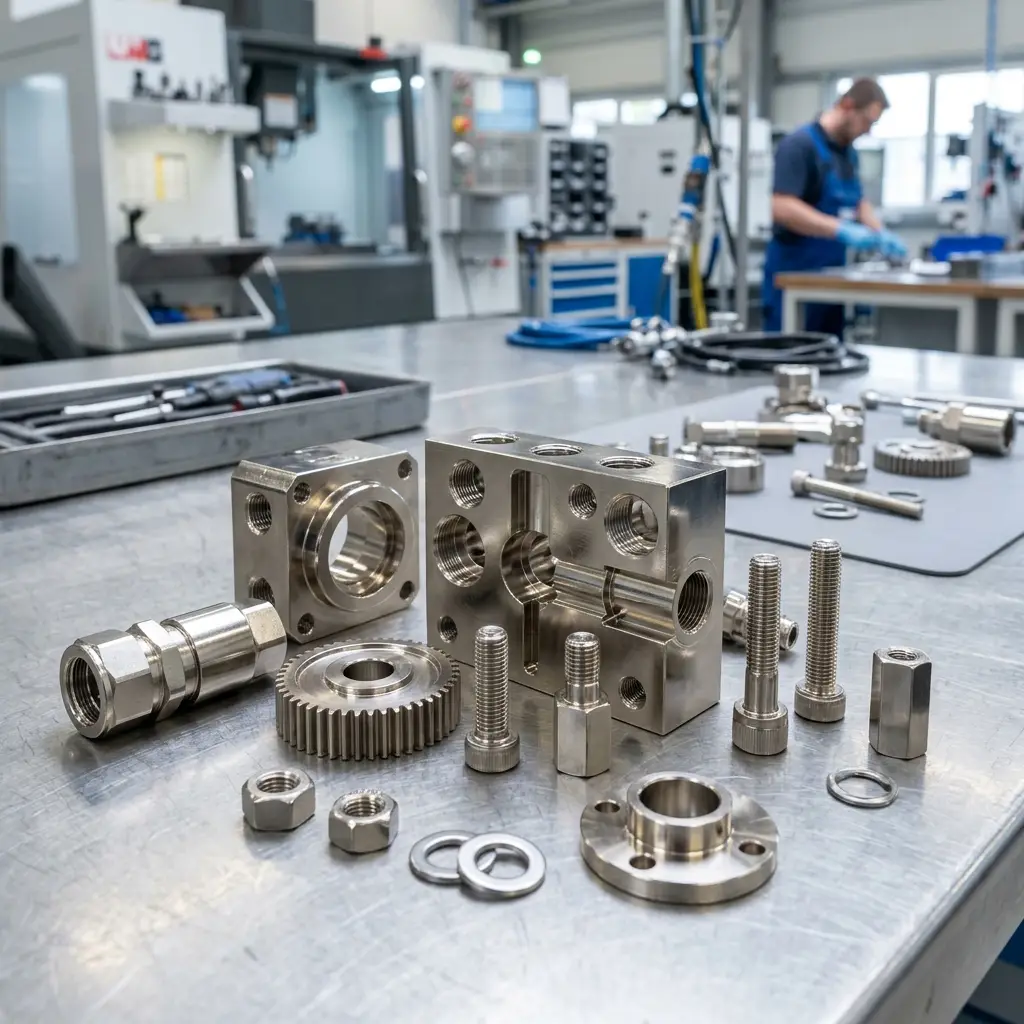
In casual conversation, many people use the terms “Nickel” and “Chrome” interchangeably to describe anything shiny and silver. However, in engineering and manufacturing, these two metals are as different as night and day.
Choosing the wrong one can lead to premature rusting, excessive wear, or a part that simply looks “off.” Here is the technical breakdown of Nickel vs. Chrome.
1. The Aesthetic Difference
- Nickel: Has a warm, slightly yellow or brownish tint. It looks more “golden” or “creamy” than chrome.
- Chrome: Has a cool, bluish-white tint. It is the classic, icy mirror look found on car bumpers.
2. Corrosion Resistance
- Nickel: A “barrier” coating. It is excellent at sealing the substrate from moisture, but it will eventually tarnish (turn yellow) if not protected.
- Chrome: Is naturally “passive.” It forms an invisible oxide layer that never tarnishes. However, decorative chrome is very thin and porous; it relies entirely on the nickel layer underneath to stop rust.
3. Hardness and Wear
- Nickel: Relatively soft. Bright nickel is decorative and can be scratched. Electroless Nickel (ENP) is much harder and more durable.
- Chrome: One of the hardest metals in the world. Industrial Hard Chrome is specified for high-wear shafts and cylinders where nickel would simply be ground away.
4. The “Throwing Power”
- Nickel: Has excellent throwing power. It can plate into deep corners and even inside tubes (if using Electroless Nickel).
- Chrome: Has notoriously poor throwing power. It builds up heavily on sharp outside edges and leaves deep “valleys” or internal holes completely bare.
Summary Table
| Feature | Nickel | Chrome |
|---|---|---|
| Color | Warm / Yellowish | Cool / Bluish |
| Tarnish | Yes (turns yellow) | No (stays silver) |
| Hardness | Moderate | Extreme |
| Throwing Power | Excellent | Poor |
Choosing between Nickel and Chrome depends on whether you value chemical uniformity (Nickel) or extreme surface hardness (Chrome). Contact Platinex Industries to determine the best finish for your component’s specific environment.