
Multi-Layer Plating Stacks: Cu-Ni-Cr and Cu-Ni-Sn Systems
Why do premium finishes require three different layers of metal? Explore the engineering behind multi-layer plating stacks like Copper-Nickel-Chrome and Copper-Nickel-Tin for automotive and electronic applications.
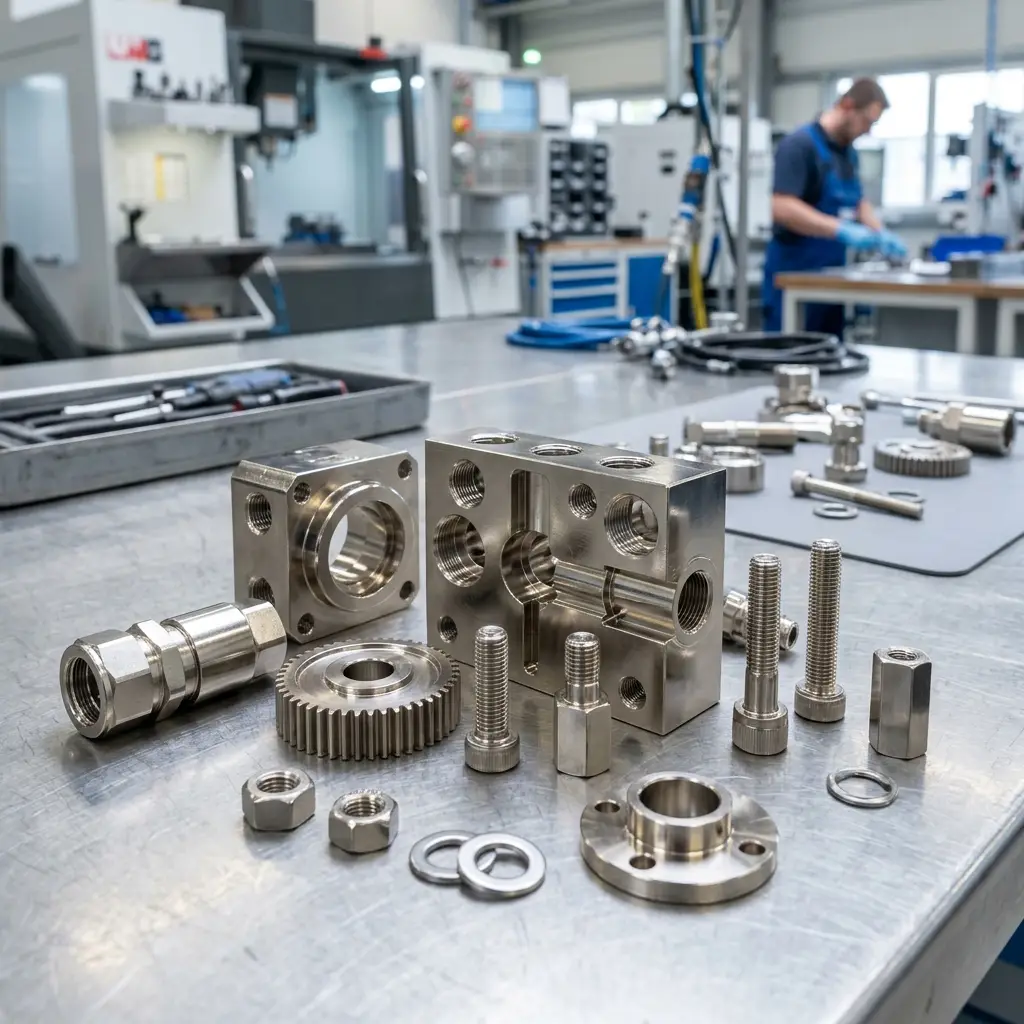
When an engineer specifies “Chrome Plating” on a drawing, they rarely get a piece of steel coated exclusively in chromium. If they did, the part would look terrible and rust within weeks.
High-performance electroplating—whether for brilliant automotive trim or hyper-reliable electronic connectors—is almost never a single layer of metal. It is an engineered architecture of multiple, specific metallic layers stacked on top of the substrate. Each layer performs a distinct, critical function.
This guide breaks down the two most common industrial multi-layer systems: the decorative Cu-Ni-Cr stack and the functional Cu-Ni-Sn stack.
System 1: The Decorative Cu-Ni-Cr Stack
(Copper \rightarrow Nickel \rightarrow Chrome)
This is the legendary “Triple Chrome Plating” system used for classic car bumpers, high-end motorcycle exhausts, and premium plumbing fixtures. When applied to steel or zinc die-castings, it provides a flawless mirror finish and severe-environment corrosion resistance.
Layer 1: The Acid Copper Foundation (15 - 25 \text µm)
After the steel or zinc part receives an initial alkaline copper strike (for adhesion), it goes into a heavy Acid Copper bath.
- The Function: Leveling and Ductility.
- Acid copper has unbelievable “leveling power.” It fills in microscopic scratches, polishing lines, and substrate imperfections, turning a rough steel surface into a smooth, liquid-like mirror. This saves massive amounts of manual polishing labor.
- Copper is also highly ductile. It acts as a soft “shock absorber” between the rigid steel substrate and the harder nickel layers above, preventing the plating from cracking under thermal expansion or impact.
Layer 2: The Nickel Barrier (15 - 30 \text µm)
The copper layer provides the smooth canvas, but it tarnishes rapidly and offers poor corrosion resistance. The Nickel layer is applied next.
- The Function: Corrosion protection and shine.
- Nickel acts as the primary barrier coating, sealing the steel and copper from oxygen and moisture.
- For the highest quality automotive finishes, this is actually two layers: a sulfur-free Semi-Bright Nickel (for ductility and corrosion resistance) followed by a Bright Nickel (for the brilliant white shine). This is known as a Duplex Nickel system.
Layer 3: The Chromium Topcoat (0.25 - 0.5 \text µm)
The bright nickel layer looks beautiful, but it will eventually tarnish (turn slightly yellow/brown) if exposed to the atmosphere.
- The Function: Tarnish resistance and scratch protection.
- The chromium layer is incredibly thin (often a fraction of a micron). It is transparent, allowing the bright nickel underneath to shine through, but it provides the distinctive “bluish-white” tint of pure chrome.
- Chromium is extremely hard and naturally forms an invisible, passive oxide layer that never tarnishes, keeping the part looking pristine for decades.
System 2: The Electronic Cu-Ni-Sn Stack
(Copper \rightarrow Nickel \rightarrow Tin)
This stack is the absolute standard for heavy electrical connectors, busbars, and high-reliability PCB components made of brass or steel.
Layer 1: The Copper Strike / Base (2 - 5 \text µm)
For steel components, the copper strike provides the initial atomic bond and prevents immersion deposits. For brass components, a thicker copper layer is sometimes used to cover lead inclusions and provide a pure, highly conductive base.
Layer 2: The Nickel Barrier (1.5 - 3.0 \text µm)
In electronics, the nickel layer is not there for shine; it is an impenetrable wall.
- The Function: Diffusion Barrier.
- If Tin is plated directly onto Copper or Brass, the copper/zinc atoms will physically migrate (diffuse) into the tin layer over time. When they reach the surface, they oxidize, destroying the part’s ability to be soldered or conduct a low-voltage signal.
- The tight crystalline structure of the Nickel layer completely stops this atomic migration, ensuring the part remains functional for years.
Layer 3: The Tin Finish (5 - 10 \text µm)
The final functional layer.
- The Function: Solderability and low contact resistance.
- A pure Matte Tin (or Tin-Lead for military applications) layer provides a soft, highly conductive surface that is effortlessly solderable. The underlying nickel ensures that the tin remains pure and free of copper contamination.
Specifying Multi-Layer Stacks
When drafting an engineering drawing, simply calling out the topcoat is insufficient and will lead to supplier failures. You must specify the entire stack architecture.
Example of a bad callout: Finish: Tin Plate per ASTM B545. (The plater may plate tin directly onto the brass, leading to failure in 6 months).
Example of a perfect callout: Finish: Matte Tin Plate per ASTM B545 Class B (5.0 \text µm minimum), over Sulfamate Nickel Underplate (2.0 \text µm minimum).
Understanding the metallurgy of plating stacks is what separates a failing part from a lifelong component. Contact Platinex Industries to ensure your electrical and decorative specifications are built on the correct chemical foundation.