
2 min read read
Electroplating vs. PVD Coating: Traditional vs. High-Tech
Physical Vapor Deposition (PVD) is often compared to electroplating. Learn the functional differences between wet chemistry and vacuum-based deposition.
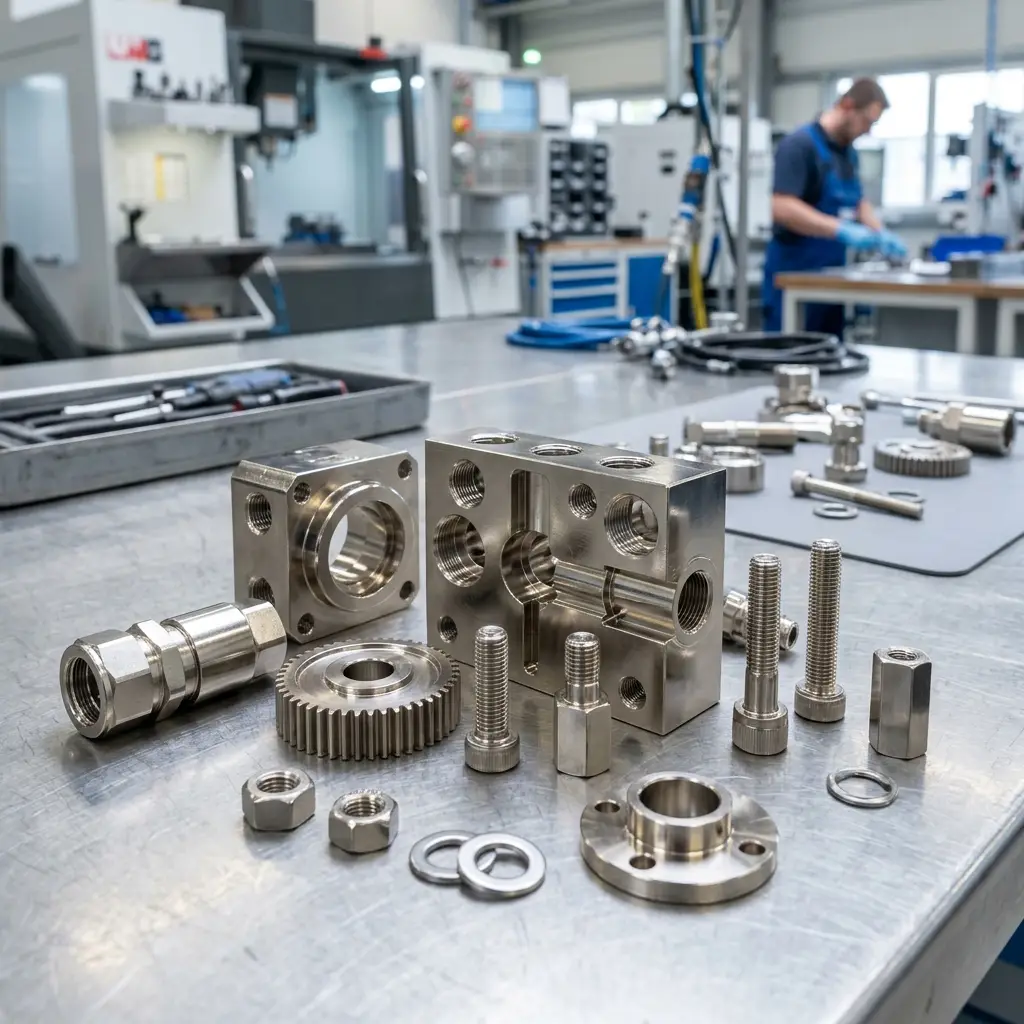
In the world of premium surface finishing, two technologies dominate: Electroplating and PVD (Physical Vapor Deposition). While both create beautiful, high-performance metallic coatings, they operate on fundamentally different principles.
1. The Process Environment
- Electroplating: A “wet” process. The parts are submerged in chemical tanks filled with liquid electrolytes. It relies on electrical current to move metal ions.
- PVD: A “dry” process performed in a high-vacuum chamber. Metal is vaporized (from a solid “target”) and travels through the vacuum to condense on the parts.
2. Thickness and Hardness
- Electroplating: Can deposit much thicker layers (e.g., 10 - 50 \text µm for Hard Chrome). It is the better choice for heavy-duty wear and corrosion protection.
- PVD: Deposits extremely thin layers (typically < 2 \text µm). However, these layers are incredibly hard and dense, offering superior scratch resistance for their thickness.
3. Aesthetics and Color
- Electroplating: Limited to the color of the metal being plated (Chrome, Nickel, Gold, Copper).
- PVD: Can create almost any color imaginable—including “Space Grey,” “Jet Black,” and “Iridescent”—by mixing different gases (like Nitrogen) into the vacuum chamber during deposition.
Which is Right for You?
- Choose Electroplating: For industrial components, heavy corrosion protection, electrical conductivity, and cost-effective bulk processing.
- Choose PVD: For luxury consumer electronics, high-end watches, and medical instruments where exotic colors and extreme scratch resistance are required.
Platinex Industries specializes in the foundational electroplating required for industrial reliability. Contact us to discuss which technology fits your project’s technical and aesthetic requirements.