
2 min read read
Electroplating vs. Powder Coating: Choosing the Right Protection
One is a chemical bond, the other is a plastic skin. Learn the critical differences between electroplating and powder coating for industrial and consumer hardware.
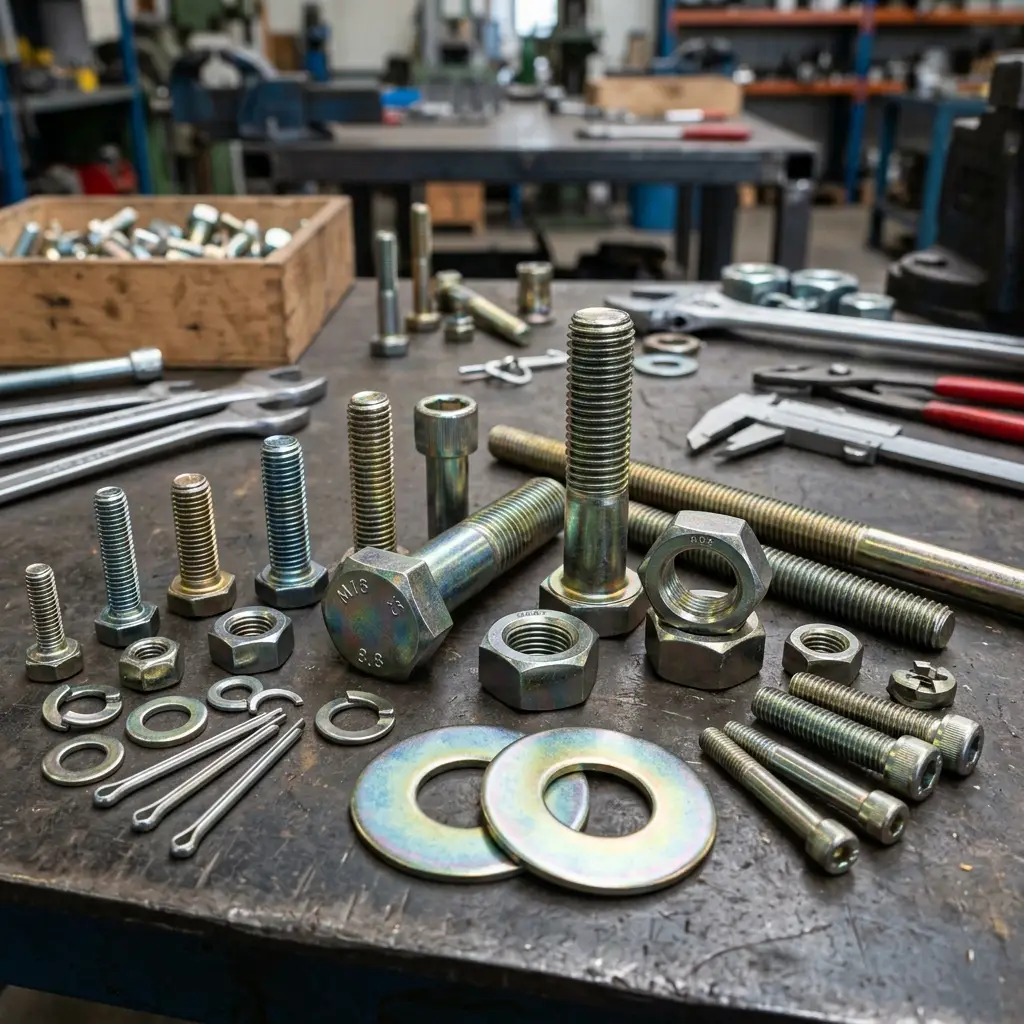
When protecting a steel part from rust, engineers usually narrow it down to two choices: Electroplating (like Zinc or Nickel) or Powder Coating.
While they both protect the metal, they are fundamentally different technologies with vastly different performance characteristics. Here is how to choose the right one for your product.
1. The Thickness and Tolerances
- Electroplating: Ultra-thin. Typically 5 - 15 \text µm. It follows the exact geometry of the part, including threads and fine details.
- Powder Coating: Very thick. Typically 60 - 120 \text µm. It is a “skin” of plastic. It will clog threads and round off sharp edges.
2. Corrosion Protection
- Powder Coating: A superior barrier. If the coating is unbroken, it provides incredible protection. However, if it is chipped, the rust will spread underneath the “skin” (undercutting), and the coating will peel off in large flakes.
- Electroplating (Zinc): Sacrificial protection. Even if the part is scratched, the surrounding zinc protects the bare steel. It is much harder to “chip” off because it is atomically bonded to the metal.
3. Electrical Conductivity
- Electroplating: Most plated metals (Zinc, Tin, Nickel) are conductive. This makes plating mandatory for any part requiring grounding or electrical contact.
- Powder Coating: An insulator. It is a plastic resin. If you need a grounding point, you must mask that area or scrape the powder off after coating.
Summary: When to Use Which?
- Use Electroplating: For fasteners, gears, precision machined parts, electrical components, and parts where “peeling” is a major safety risk.
- Use Powder Coating: For large sheet metal enclosures, outdoor furniture, playground equipment, and parts where a specific, vibrant color is the primary goal.
Platinex Industries focuses on precision electroplating for the engineering and electrical sectors. If your parts require high-tolerance protection and electrical conductivity, contact us to discuss our plating solutions.