2 min read
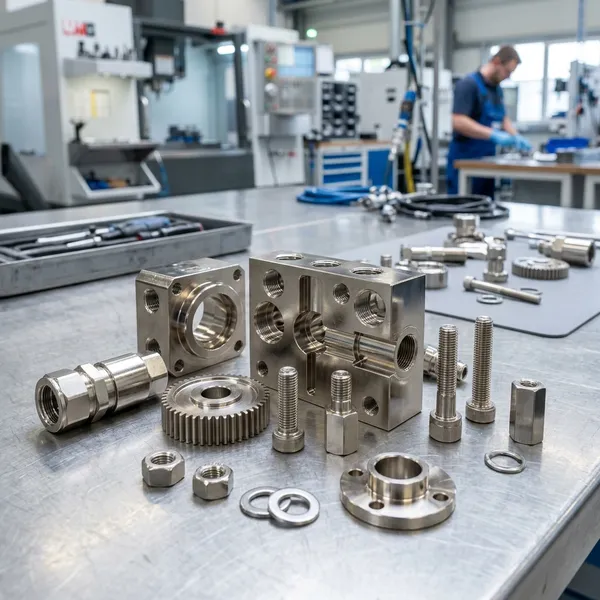
Technical Guides Physical Vapor Deposition (PVD) is often compared to electroplating. Learn the functional differences between wet chemistry and vacuum-based deposition.

Physical Vapor Deposition (PVD) is often compared to electroplating. Learn the functional differences between wet chemistry and vacuum-based deposition.
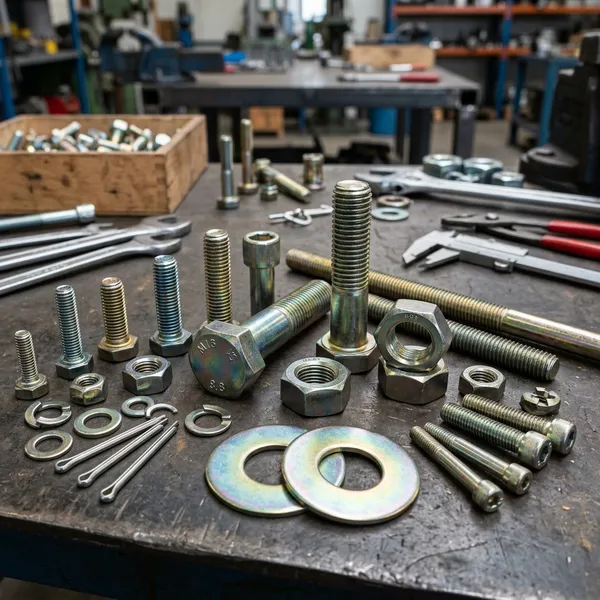
One is a chemical bond, the other is a plastic skin. Learn the critical differences between electroplating and powder coating for industrial and consumer hardware.
Why do premium finishes require three different layers of metal? Explore the engineering behind multi-layer plating stacks like Copper-Nickel-Chrome and Copper-Nickel-Tin for automotive and electronic applications.
Learn how electropolishing reverses the electroplating process to remove microscopic peaks from stainless steel, resulting in a sterile, ultra-smooth, highly corrosion-resistant surface.
A technical deep dive into gold electroplating for electronic connectors and PCBs. Learn about hard vs. soft gold, the necessity of a nickel underplate, and the specific performance advantages of gold in low-voltage applications.
Understand the autocatalytic chemistry of Electroless Nickel Plating. Learn the differences between Low, Mid, and High-Phosphorus ENP, and why its perfect throwing power makes it essential for complex engineering parts.
Understand the bright nickel plating process, bath chemistry, and why it remains the foundation for decorative chrome and premium hardware finishes.
A technical guide to acid chloride zinc plating. Understand its superior brightness, high plating speed, and direct plating capabilities onto cast iron, contrasted with its throwing power limitations.
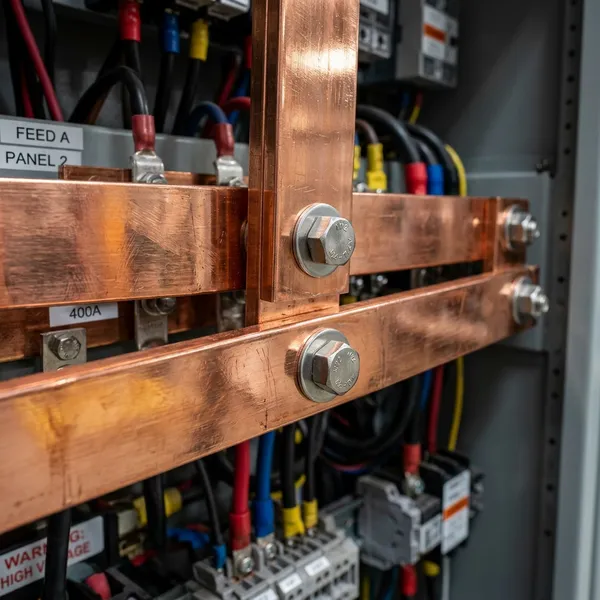
A complete guide to surface finishing requirements for electrical switchgear — from busbar silver and tin plating specifications to arc contact nickel requirements, RoHS compliance, and IS standards.
A complete guide to barrel electroplating — the process that makes bulk plating of small parts economically viable. Covers barrel geometry, current flow physics, loading calculations, and what parts are and are not suitable.
Why silver is the preferred plating for switchgear contacts, bus bar joints, and high-current terminals. Covers silver bath chemistry, thickness selection, anti-tarnish treatments, and cost-performance trade-offs.
A deep technical guide to acid copper electroplating — covering bath chemistry, current density, throwing power, and when to choose acid copper over alkaline copper for industrial components.
Understand the critical differences between Electroless Nickel (ENP) and Electrolytic Nickel plating, including thickness uniformity, hardness, and corrosion resistance.