
How to Plate on Stainless Steel: Activation Methods
Stainless steel rejects electroplating because of its passive chromium oxide layer. Learn how to break this barrier using a Wood’s Nickel Strike to achieve flawless adhesion.
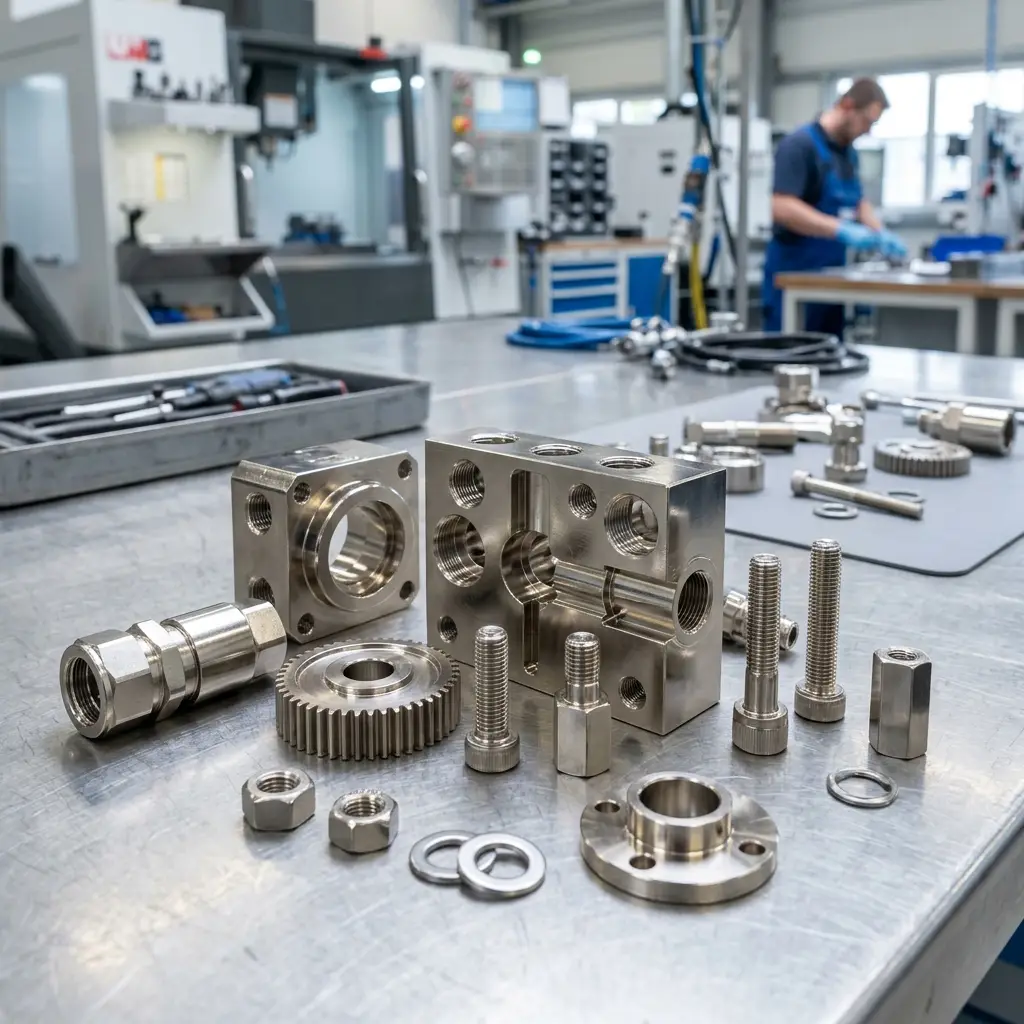
“Stainless” steel earns its name through an incredible metallurgical trick: it contains a high percentage of Chromium (typically over 10.5%). When exposed to oxygen, this chromium instantly forms a microscopically thin, invisible, and impenetrable layer of Chromium Oxide. This passive layer protects the underlying iron from rusting.
While this passive layer is fantastic for corrosion resistance, it is a nightmare for an electroplater.
Electroplating requires a pure, active, metallic surface to form an atomic bond. If you attempt to plate nickel, copper, or gold directly onto stainless steel using standard pre-treatment methods, the plating will sit on top of that passive chromium oxide layer like a sticker. It will peel off immediately upon bending, heating, or mild abrasion.
To plate on stainless steel successfully, you must simultaneously destroy the passive layer and replace it with an active metal before the oxygen in the water can reform the oxide. The industry standard method for this is the Wood’s Nickel Strike.
The Wood’s Nickel Strike: The Secret to Adhesion
Developed in the 1930s by Donald Wood, this highly aggressive, highly acidic plating bath is the only reliable way to activate stainless steel (as well as high-nickel alloys like Inconel and Monel).
A Wood’s Nickel Strike bath is incredibly simple, containing only two ingredients:
- Nickel Chloride: The source of nickel ions.
- Hydrochloric Acid (HCl): Very high concentration (often 10% to 15% by volume).
How It Works (Simultaneous Etch and Plate)
When a stainless steel part enters the Wood’s Nickel bath, it is subjected to a very high cathodic current density for a very short time (typically 1 to 4 minutes).
- The Etch: The massive concentration of hydrochloric acid violently attacks the surface of the stainless steel, ripping away the passive chromium oxide layer and exposing pure, active, un-oxidized metal.
- The Plate: Simultaneously, the high electrical current forces the nickel chloride to deposit a microscopically thin layer (less than 2 \text µm) of pure, active nickel directly onto that freshly exposed, virgin metal.
Because the etching and plating happen at the exact same time in the exact same bath, the stainless steel never has a millisecond of exposure to oxygen to reform its passive layer. The thin nickel strike forms a flawless, unbreakable atomic bond with the stainless steel substrate.
Once the Wood’s Nickel strike is applied, the part is removed, rinsed quickly, and immediately transferred to the final plating bath (Bright Nickel, Acid Copper, Silver, Gold, or Electroless Nickel). The final finish bonds perfectly to the active nickel strike layer.
Why Plate on Stainless Steel?
If stainless steel is already corrosion-resistant, why go through the difficult and expensive process of plating it?
- Solderability and Brazing: Stainless steel is notoriously difficult to solder because traditional fluxes cannot penetrate the chromium oxide layer. Plating the stainless steel with a Nickel Strike followed by pure Matte Tin or Silver makes it effortlessly solderable for electrical or plumbing assemblies.
- Electrical Conductivity: Stainless steel is a relatively poor conductor of electricity compared to copper or silver. In RF connectors or specialized electrical contacts, stainless steel provides the structural strength and spring tension, but it must be plated with Gold or Silver to handle the electrical signal with low contact resistance.
- Anti-Galling (Lubricity): Stainless steel fasteners (like 316 SS nuts and bolts) are highly prone to “galling”—where the threads cold-weld together under pressure and permanently seize. Plating the threads with a thin layer of Silver acts as a permanent, high-temperature solid lubricant, preventing galling during assembly.
- Aesthetics: Some architectural or consumer products require the structural strength of stainless steel but the specific aesthetic of a 24k Gold finish.
Process Challenges and Design Rules
While the Wood’s Nickel Strike is effective, it requires strict operational control:
- Bath Contamination: The high acid content of the Wood’s bath constantly dissolves small amounts of iron and chromium from the parts being processed. Over time, these metallic impurities build up and degrade the efficiency of the strike. The bath must be regularly dumped and remade.
- Immediate Transfer: The nickel strike layer is thin and highly active. If the operator delays the transfer from the strike tank to the final plating tank, the nickel strike itself will oxidize (passivate), and the final plating will peel. Transfer times must be measured in seconds.
- Racking: Because the Wood’s strike requires very high current density to punch through the oxide layer, the parts must be held very firmly on specialized titanium or heavy copper racks. Loose contact points will fail to activate and will peel.
At Platinex Industries, we maintain dedicated Wood’s Nickel Strike lines to handle complex aerospace, medical, and electrical assemblies requiring uncompromising adhesion on 300 and 400 series stainless steels. Contact our engineering team for your critical finishing needs.