
Solving "Skip Plating" in Deep Recesses and Blind Holes
Poor throwing power leads to bare spots inside your parts. Learn how to use internal anodes and specific bath chemistries to ensure 100% coverage.
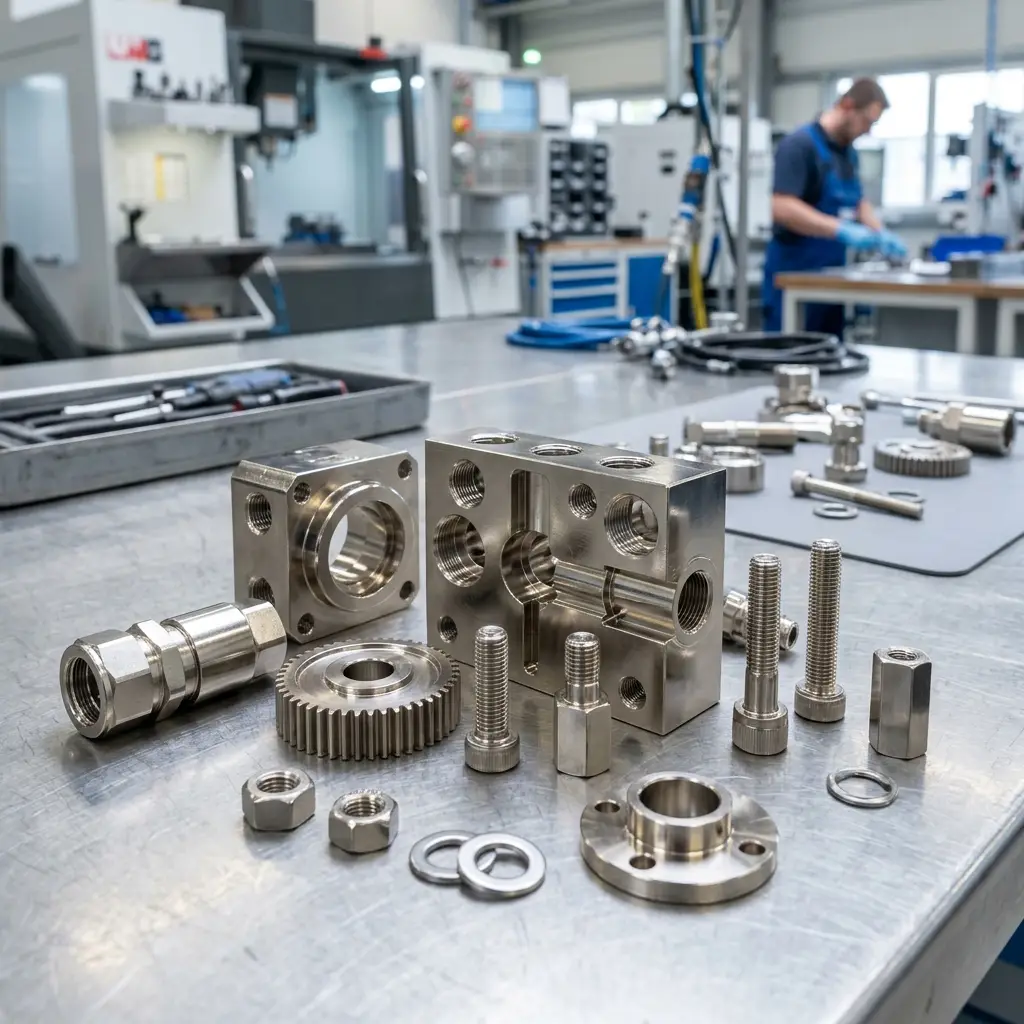
One of the most frustrating plating defects is “Skip Plating”—when the outside of the part looks perfect, but the inside of a hole or a deep corner is completely bare. This isn’t just a cosmetic issue; an unplated internal area will become a breeding ground for rust that will eventually destroy the part.
1. The Physics of “Throwing Power”
Electroplating follows the path of least resistance. The electrical current “prefers” the easy-to-reach outside edges of your part. The current drops off exponentially as it tries to reach into a deep, narrow hole. This is known as poor Throwing Power.
2. Solutions for Better Coverage
- Alkaline vs. Acid: Alkaline Zinc has much better throwing power than Acid Zinc. If your part has deep recesses, specify an Alkaline process.
- Internal Anodes: For large pipes or deep cylinders, the plater can place a small “auxiliary” anode inside the part to force current into the hole.
- Electroless Nickel: If the hole is very deep and narrow (like a long hydraulic tube), electroplating is impossible. Electroless Nickel (ENP) is the only solution, as it requires no electricity and plates every surface touched by the liquid.
At Platinex Industries, we specialize in high-coverage finishing for complex geometries. We utilize auxiliary racking and high-throwing-power alkaline baths to ensure no surface is left unprotected. Contact us to review your part designs.