
Why Your Plating is Peeling: Root Causes of Adhesion Failure
A troubleshooting guide for plating adhesion failures. Learn why electroplated coatings peel, blister, or flake off, and how to identify whether the root cause is poor substrate preparation, bath contamination, or metallurgical mismatch.
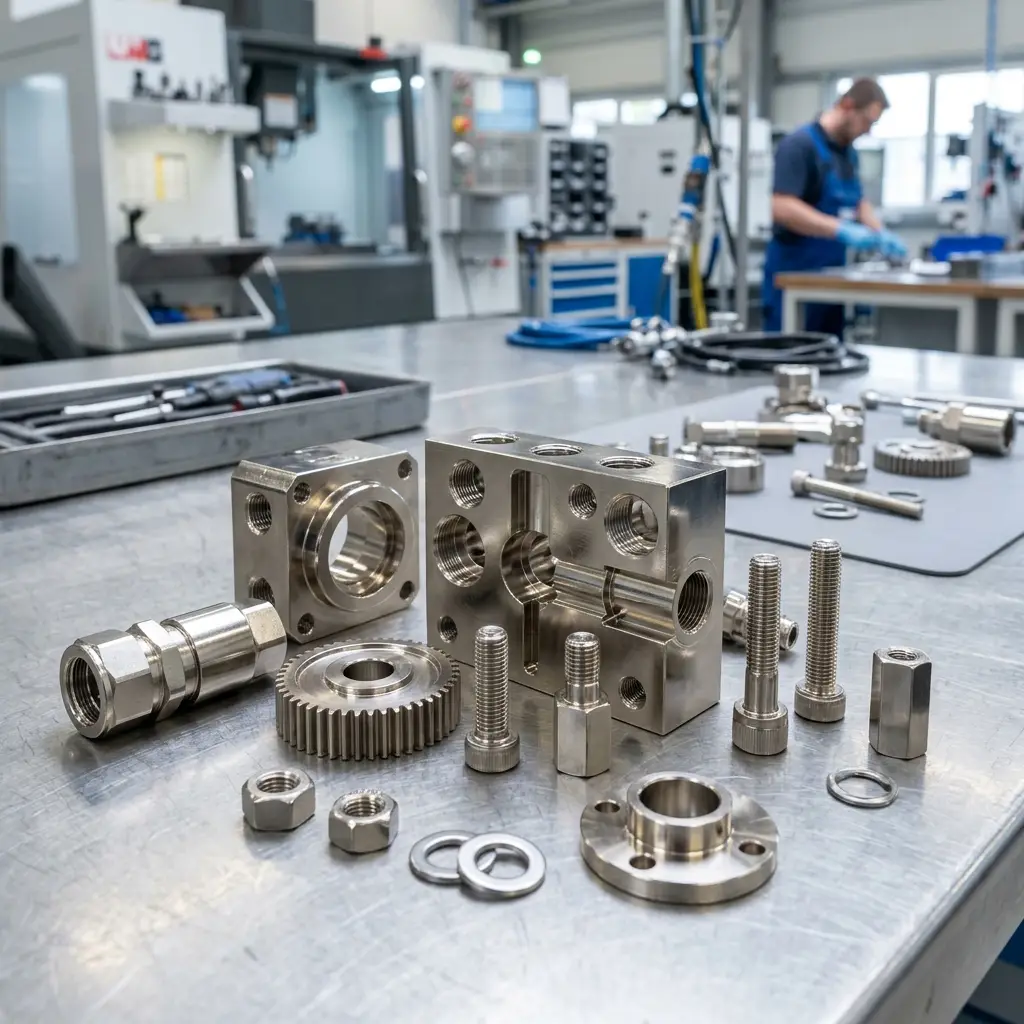
Of all the defects that can plague an electroplated component, none is more catastrophic—or more frustrating—than adhesion failure. When the plating peels, flakes, or blisters away from the substrate, the part is scrap. It fails visually, it fails to protect against corrosion, and it can cause severe mechanical damage if flakes enter hydraulic or electrical systems.
Adhesion failure is rarely a mystery, though it often feels like one to the manufacturer. Electroplating relies on an atomic-level metallic bond between the substrate and the deposited metal. If anything interrupts that bond, the plating will fail.
Here is a troubleshooting guide to the most common root causes of peeling and blistering in electroplated parts.
1. The #1 Culprit: Poor Surface Preparation
If you ask a veteran plater why a part is peeling, their first three answers will be: “Cleaning, cleaning, and cleaning.”
Electroplated metal cannot bond to oil, rust, scale, or oxides. It can only bond to bare, active metal.
Residual Oils and Organics
If the alkaline soak cleaner or electrocleaner fails to remove stamping lubricants, machining coolants, or rust-preventative oils, the acid activation stage will be ineffective. The plating will deposit over the microscopic oil film and eventually peel off in sheets.
- The Fix: Ensure the cleaner chemistry matches the soils. Implement a “water-break test” after cleaning: if water beads up on the part instead of sheeting off smoothly, the part is still dirty.
Inadequate Acid Activation (Oxides)
Even perfectly degreased metal develops a thin, invisible oxide layer upon exposure to air or alkaline cleaners. If the acid pickle stage is too weak, too cold, or too brief, this oxide layer remains.
- The Fix: Monitor and maintain acid concentration. Ensure parts are not over-pickled (which can cause carbon smut on steel) or under-pickled.
2. The Transfer Time Trap
The time it takes to move a part from the final rinse tank into the plating tank is critical. A perfectly cleaned and activated steel or copper part will begin to re-oxidize almost immediately upon exposure to air.
If an operator leaves a rack of activated parts hanging in the air while addressing another task, or if an automated hoist pauses for too long, a “passive” oxide film forms. The subsequent plating will lack adhesion.
- The Rule: The transfer from the final acid rinse to the plating bath must be immediate (typically under 15-30 seconds).
3. Metallurgical Mismatches (Immersion Deposits)
Certain combinations of substrates and plating baths are fundamentally incompatible without an intermediate “strike” layer.
The classic example is attempting to plate Acid Copper directly onto Steel. Because steel is more reactive (anodic) than copper, the moment the steel enters the acid copper bath, it spontaneously dissolves and forces copper ions to deposit on the surface. This is called an immersion deposit. An immersion deposit is loose, powdery, and has zero adhesion. Any subsequent electroplating will build upon this weak foundation and peel off.
- The Fix: You must apply a “strike” layer first. For plating copper on steel, a cyanide copper strike or a nickel strike is required to establish an adherent base layer before moving to the acid copper bath.
4. Specific Substrate Challenges
Not all metals are created equal when it comes to accepting electroplating. Some naturally form tenacious, difficult-to-remove oxide layers.
Plating on Aluminum
Aluminum forms a dense oxide layer instantly. Standard cleaning and acid dipping will not work.
- The Fix: Aluminum must go through a Zincate process (a highly alkaline double-dip that dissolves the oxide and deposits a thin layer of zinc) before it can be plated with copper, nickel, or other metals.
Plating on Stainless Steel
Stainless steel is “stainless” because it forms a passive chromium-oxide layer. Plating over this layer will result in immediate peeling.
- The Fix: Stainless steel requires a highly acidic Wood’s Nickel Strike (a combination of nickel chloride and hydrochloric acid) that simultaneously etches away the chromium oxide and deposits a thin, adherent layer of nickel.
5. Bath Contamination and Chemistry
Sometimes the problem isn’t the substrate; it’s the plating bath itself.
Organic Contamination
Breakdown products from brighteners, or oils dragged into the tank, can codeposit with the metal, creating brittle, highly stressed layers that crack and peel.
- The Fix: Regular carbon filtration (often via a carbon pack or carbon treatment) to remove organic impurities.
Excess Brighteners
Brighteners are added to baths (like nickel or zinc) to refine the grain structure and make the part shiny. However, overdosing the bath with brighteners creates immense internal tensile stress within the deposit. Eventually, this stress overcomes the adhesion bond, and the plating cracks and peels away like a curled potato chip.
- The Fix: Strict Hull cell testing and amp-hour dosing to maintain brighteners within the manufacturer’s specified window.
Identifying Blisters (Delayed Adhesion Failure)
Sometimes plating looks perfect upon inspection, but develops “blisters” days later or after being exposed to heat.
This usually indicates trapped contamination in the substrate’s pores. This is incredibly common when plating castings (iron, aluminum, or zinc die-cast) or powder metallurgy (sintered) parts. Cleaning chemicals or acids get trapped in the microscopic pores of the metal. During plating, the metal bridges over these pores. Later, as the part gets warm, the trapped chemicals expand, creating gas pressure that pushes the plating outward, forming a blister.
- The Fix: Castings require specialized pre-treatment, often involving ultrasonic cleaning, alternate hot/cold rinsing to flush out pores, and sometimes vacuum impregnation prior to plating.
Adhesion failure is a process control issue. At Platinex Industries, our automated lines and strict pre-treatment protocols ensure atomic-level bonds on every part. If you are struggling with peeling plating from your current supplier, contact our engineering team for a process evaluation.