
Pitting in Electroplating: Root Causes and Prevention
Microscopic pits can ruin a mirror finish and compromise corrosion protection. Learn how to identify and solve pitting caused by gas bubbles and contamination.
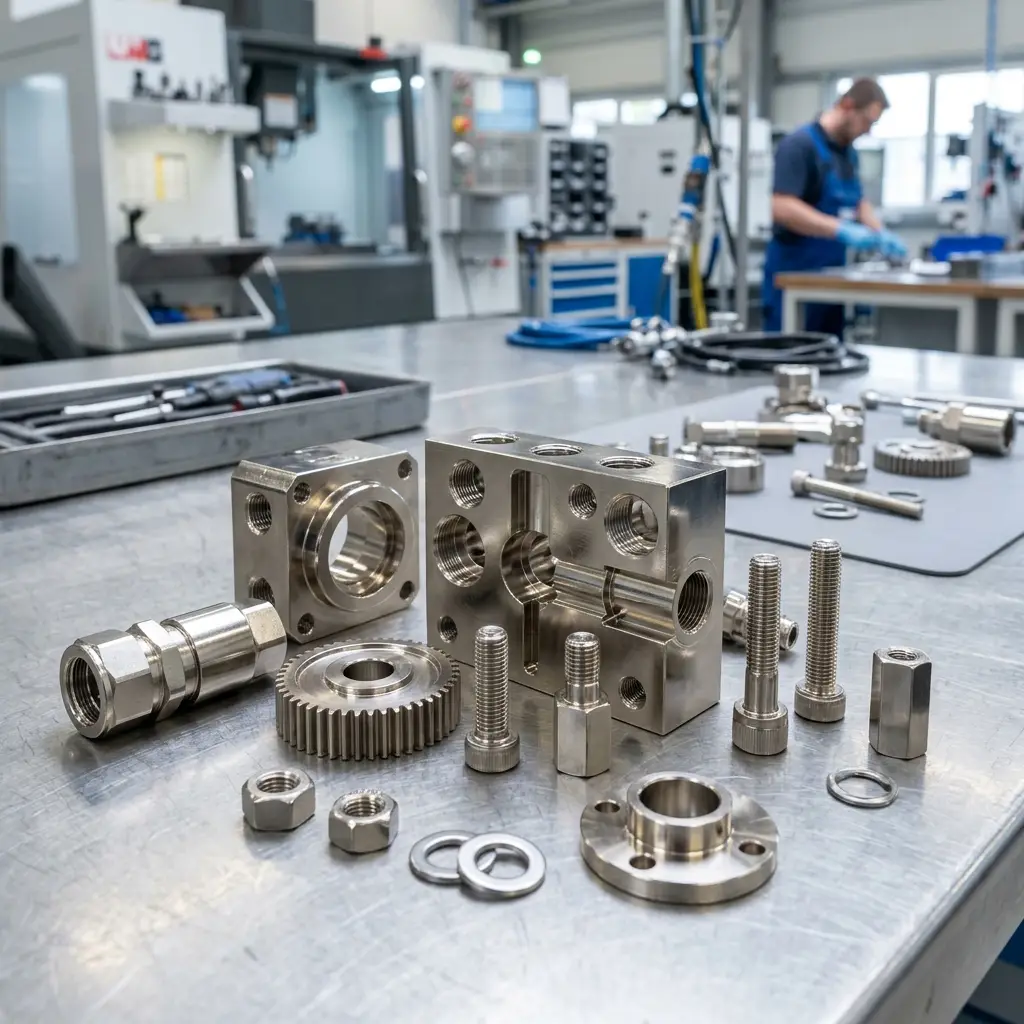
Pitting is a defect where the plated surface is covered in tiny, pin-sized holes. In decorative plating, it ruins the mirror finish. In functional plating, these pits are direct pathways for moisture to reach and rust the substrate.
1. Gas Pitting (Hydrogen Bubbles)
The most common cause of pitting is Hydrogen gas. As the part plates, hydrogen bubbles form on the surface. If a bubble gets “stuck” to the metal, it blocks the plating current, leaving a pit where the bubble was.
- The Fix: Increasing “Wetting Agents” in the bath to lower surface tension, and using mechanical agitation (moving the part) to shake the bubbles loose.
2. Particulate Pitting (Dirty Baths)
If the plating bath contains microscopic particles of dust, metal filings, or “anode sludge,” these particles can settle on the part and get plated over, creating a rough, pitted texture.
- The Fix: Continuous, high-volume carbon filtration of the plating tanks.
3. Substrate Pitting
Sometimes the pit isn’t in the plating—it was in the metal to start with.
- The Fix: Better incoming quality control of raw castings and cold-rolled steel to ensure the surface is free of microscopic inclusions.
Zero-defect plating requires surgically clean chemistry and constant agitation. At Platinex Industries, we utilize continuous filtration and air-agitated tanks to deliver pit-free, high-performance finishes. Contact our quality team to resolve your pitting issues.