2 min read
Technical Guides When zinc-plated parts show white powdery rust within days, the passivation has failed. Learn the root causes, from bath contamination to curing errors.

When zinc-plated parts show white powdery rust within days, the passivation has failed. Learn the root causes, from bath contamination to curing errors.
A rough plated finish is a sign of process failure. Learn how to distinguish between substrate roughness and "shelf roughness" caused by bath contamination.
Too much current is just as bad as too little. Learn how to prevent burnt, powdery deposits on the sharp edges of your parts.
Microscopic pits can ruin a mirror finish and compromise corrosion protection. Learn how to identify and solve pitting caused by gas bubbles and contamination.
Thickness is useless without adhesion. Explore the destructive testing methods—from the Bend Test to the Thermal Shock Test—used to ensure your plating never peels.
Non-destructive thickness testing is the only way to guarantee plating quality. Learn how X-Ray Fluorescence (XRF) allows for precision measurement of microns without damaging the part.
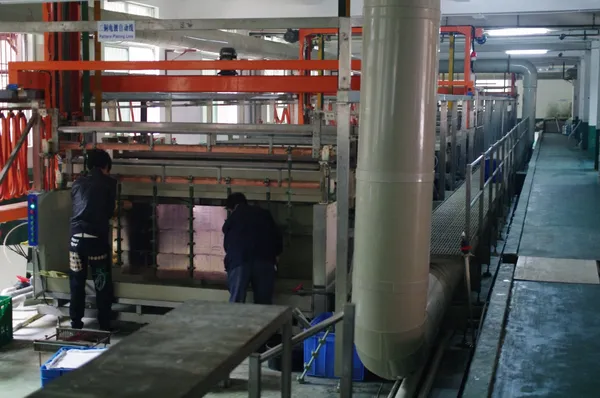
Practical, high-signal guide to electroplating: rack vs barrel vs continuous lines, the role of additives (levelers, brighteners, carriers, wetting agents), and a systematic approach to defect prevention (pitting, burning, blisters, poor adhesion). Includes selection frameworks, spec tips, QA checkpoints, and an RFQ checklist.