
Roughness in Plating: Identifying and Fixing Surface Texture
A rough plated finish is a sign of process failure. Learn how to distinguish between substrate roughness and "shelf roughness" caused by bath contamination.
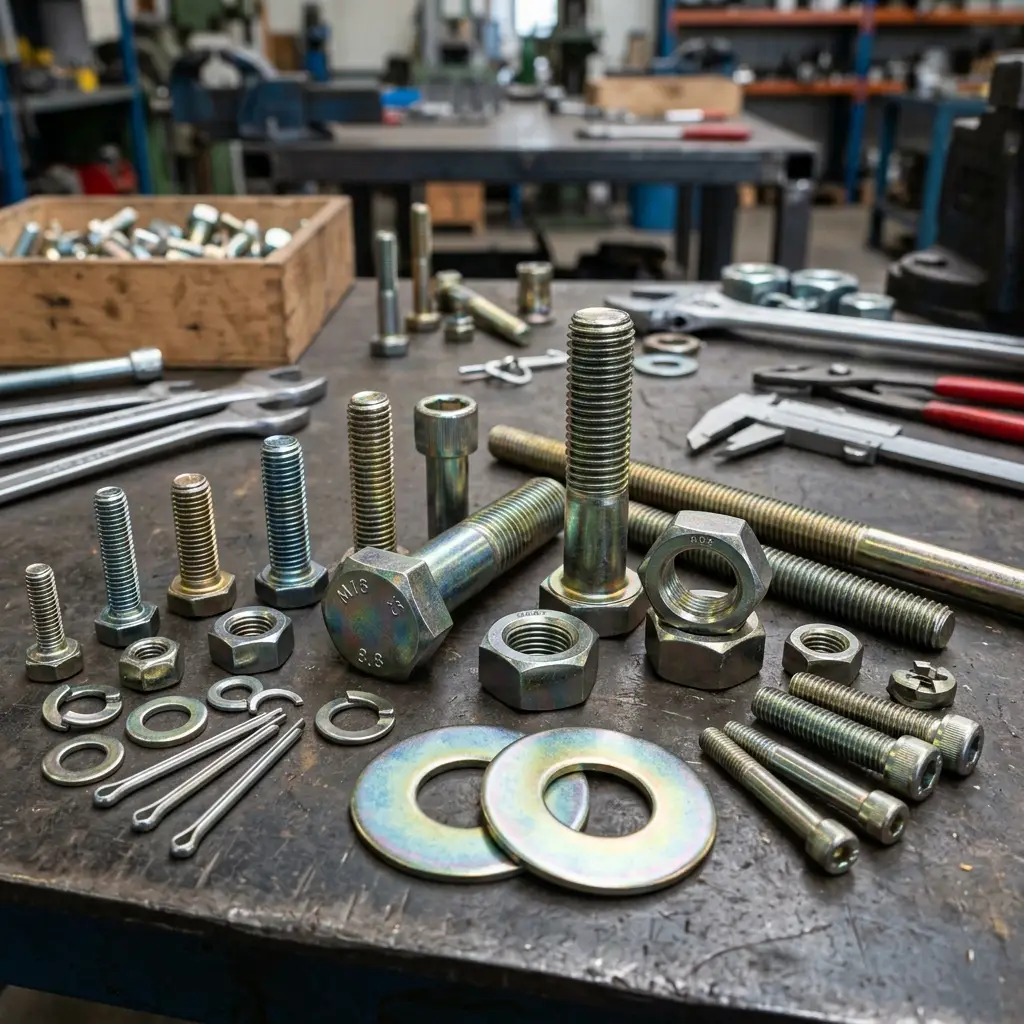
When a plated part feels like sandpaper, it is a sign that something has gone wrong in the plating tank. Roughness is a common defect that compromises both the appearance and the corrosion resistance of the component.
1. Shelf Roughness (Contamination)
If the roughness is only on the horizontal “shelves” or top-facing surfaces of the part, it is almost certainly Shelf Roughness. This is caused by microscopic particles of dirt or anode sludge settling on the part while it plates.
- The Solution: Better filtration and ensuring the anodes are properly “bagged” in high-quality fabric to trap sludge.
2. Anodic Roughness (Over-Cleaning)
If the part was left in the anodic electrocleaner too long, the electricity may have “etched” the steel, creating a microscopic sandpaper texture before it was even plated.
- The Solution: Reducing the electrocleaning time or current.
3. Poor Substrate Quality
Often, the plater is blamed for roughness that was inherent in the raw metal. Cheap, low-quality steel with “pits and inclusions” will always result in a rough plated finish.
- The Solution: Inspecting raw parts before plating to ensure they meet surface quality standards.
At Platinex Industries, we maintain surgically clean plating tanks with 24/7 carbon filtration to eliminate shelf roughness and deliver smooth, high-performance finishes. Contact our team to resolve your surface texture problems.