
Plating for Telecom Connectors: Gold, Tin, and Nickel Systems
Telecommunications infrastructure requires flawless signal integrity over decades of use. Explore the strict electroplating stacks—including Hard Gold, Palladium-Nickel, and Matte Tin—used on high-speed RF and telecom connectors.
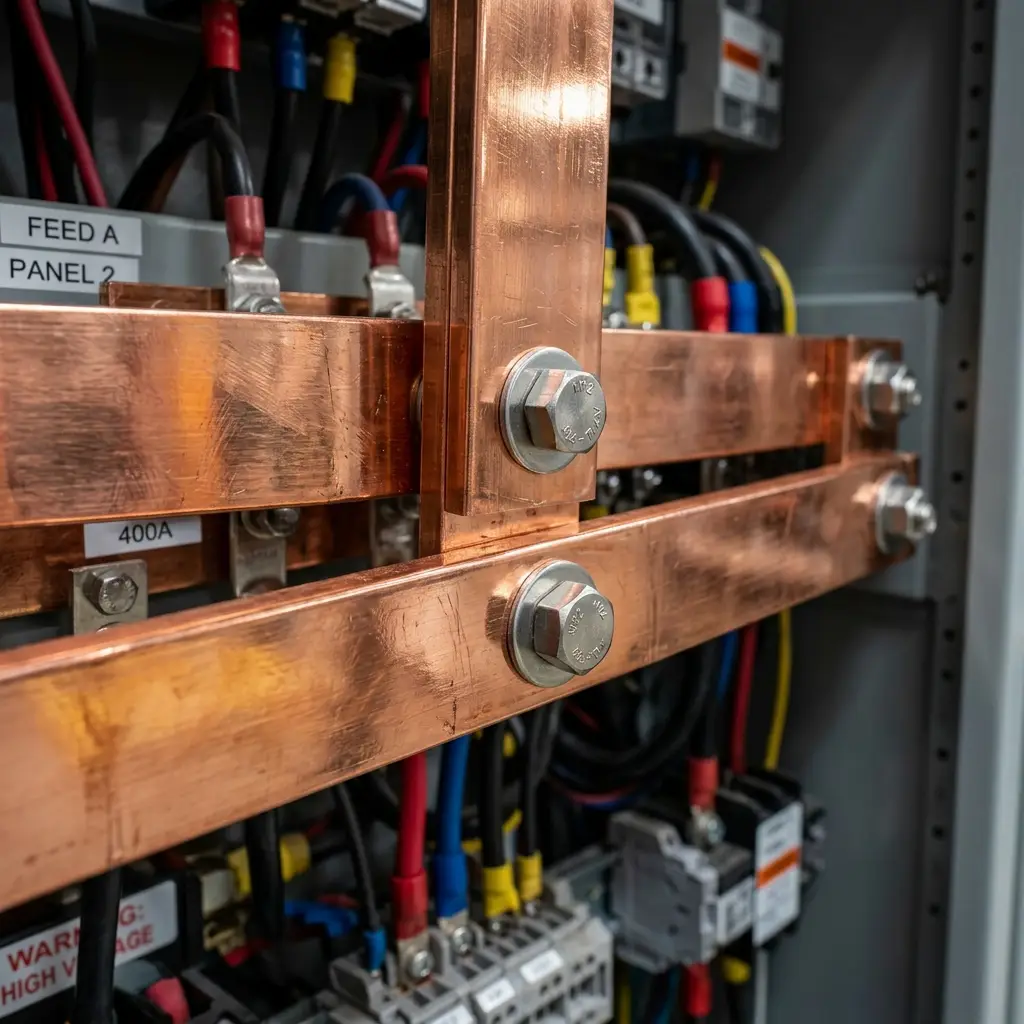
The backbone of the modern digital world—from 5G cell towers to massive cloud computing server farms—relies on physical, metal-to-metal connections. Every coaxial RF connector, fiber-optic transceiver pin, and high-speed backplane connector must transmit high-frequency, low-voltage signals with near-zero data loss.
In telecommunications, a degraded electrical contact doesn’t just mean a device turns off; it means dropped packets, signal attenuation, and massive network latency.
To guarantee perfect signal integrity for 20+ years, telecom components are electroplated with highly engineered, multi-layer precious metal stacks.
The Requirements of a Telecom Connector
A telecom connector must satisfy three severe physical requirements:
- Low Contact Resistance: It must not oxidize. Even a microscopic oxide layer will act as an insulator, destroying a low-voltage digital signal.
- High Wear Resistance: Server racks and patch panels undergo hundreds or thousands of insertion/withdrawal cycles. The plating must not scrape off, exposing the base metal.
- Solderability: The back end of the pin must solder flawlessly to a Printed Circuit Board (PCB) during automated wave or reflow soldering.
The Standard Telecom Stack: The Hard Gold Standard
The undisputed king of high-reliability telecom connectors is the Nickel + Hard Gold stack.
1. The Substrate
Typically an easily machined, highly conductive copper alloy, such as Beryllium Copper (for its excellent spring-tension properties) or Phosphor Bronze.
2. The Diffusion Barrier (Nickel Underplate)
As discussed in our material guides, Gold cannot be plated directly onto a copper alloy. The copper atoms will quickly migrate upward through the gold, oxidize on the surface, and destroy the contact resistance. A Sulfamate Nickel underplate (1.25 - 2.5 \text µm thick) is applied first. It acts as an impenetrable barrier locking the copper in place, while providing a hard “anvil” to support the softer gold layer against physical wear.
3. The Contact Zone (Hard Gold)
For the actual sliding contact area, Hard Gold is applied. This gold is alloyed with tiny amounts (0.1 - 0.3%) of Cobalt or Nickel. This slight alloying drastically increases the hardness and wear resistance of the gold, allowing it to survive thousands of mating cycles while maintaining its noble, oxidation-free surface.
- Mil-Spec / Telecom Standard Thickness: Typically 0.75 \text µm to 1.25 \text µm (30 to 50 \textµin).
The Cost-Saving Alternative: Palladium-Nickel (Pd-Ni)
With the price of gold skyrocketing, the telecom industry developed an alternative stack to reduce precious metal costs while maintaining high performance: the Palladium-Nickel system.
Palladium is a precious metal that is significantly harder and more wear-resistant than hard gold, and historically less expensive.
The Pd-Ni Stack:
- Base Metal (Beryllium Copper)
- Nickel Underplate (1.25 \text µm)
- Palladium-Nickel Alloy Layer (0.5 - 1.0 \text µm): Typically an 80% Palladium / 20% Nickel alloy. This provides the bulk of the wear resistance and corrosion protection.
- Gold Flash (0.05 - 0.1 \text µm): Palladium can form a very thin, insulating frictional polymer if subjected to micro-vibrations (fretting). To prevent this and provide ultimate low contact resistance, a microscopic “flash” layer of pure gold is plated over the Pd-Ni.
This stack performs comparably to a heavy Hard Gold layer but at a significantly reduced precious metal cost.
The Solder Tail: Matte Tin
While the mating end of the connector needs Hard Gold to survive insertion wear, the back end (the “tail” that goes through the PCB) only needs to be soldered once.
Plating the entire pin in thick Hard Gold is a massive waste of money. Furthermore, soldering directly to thick gold can cause “Gold Embrittlement” of the solder joint, leading to mechanical failure.
Selective Plating
Using advanced reel-to-reel continuous plating equipment, manufacturers selectively plate the connector pin:
- The mating contact zone receives the Hard Gold stack.
- The solder tail receives Pure Matte Tin (3.0 - 8.0 \text µm).
Matte Tin provides perfect, low-temperature solderability. By specifying Matte tin (rather than Bright Tin), the risk of catastrophic “Tin Whiskers” (microscopic conductive hairs that cause short circuits) is drastically reduced, ensuring the long-term reliability demanded by telecom infrastructure.
Designing high-frequency RF and telecom connectors requires precise metallurgical control. Platinex Industries specializes in the Copper-Nickel-Tin and Silver plating stacks required for critical communications hardware. Contact our engineering team to discuss your connector specifications.