
Understanding Plating Thickness: Micron Tolerances for Switchgear Components
An engineering deep dive into plating thickness specifications. Learn how micron tolerances impact conductivity, wear resistance, and the lifespan of switchgear components.
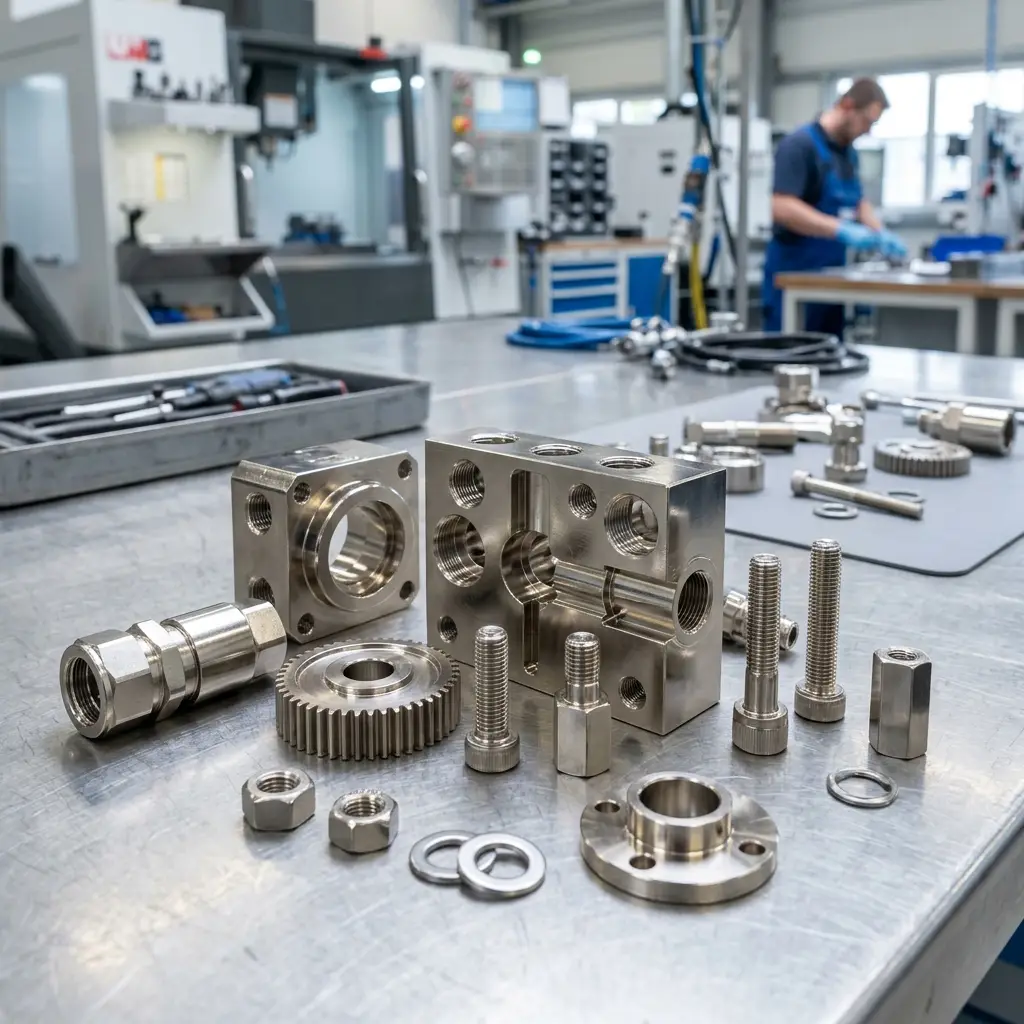
In the manufacturing of low and medium-voltage switchgear, precision is not a luxury—it is a critical safety requirement. Among the various manufacturing tolerances, the thickness of the electroplated finish (typically silver, tin, or nickel) is one of the most vital specifications. A coating that is too thin will lead to premature wear and catastrophic electrical failure; one that is too thick will interfere with mechanical tolerances and drastically inflate manufacturing costs.
This guide explores the engineering principles behind plating thickness in switchgear applications, how we measure micron tolerances, and why hitting the exact specification is essential for product longevity.
Why Plating Thickness Matters in Switchgear
Switchgear components—such as bus bars, moving contacts, isolating switches, and circuit breaker terminals—operate in environments characterized by high electrical currents, mechanical friction, and potential exposure to corrosive atmospheres (like sulfur or humidity).
The electroplated layer serves three primary functions:
- Conductivity Optimization: Ensuring minimal contact resistance to prevent overheating.
- Wear Resistance: Withstanding the mechanical friction of mating and un-mating contacts over thousands of cycles.
- Corrosion Protection: Preventing the underlying substrate (usually copper or brass) from oxidizing, which would exponentially increase electrical resistance.
The thickness of the plating directly determines how well these three functions are performed.
Standard Thickness Specifications (Microns)
While specific OEM requirements vary, the industry generally adheres to the following thickness ranges based on the application:
1. Tin Plating (Sn)
Used primarily for its excellent solderability and cost-effectiveness on stationary or low-friction contacts.
- Commercial Applications: 3 – 5 µm
- Switchgear & Heavy Electricals: 8 – 15 µm
- Why this thickness? Tin is a soft metal. If it’s too thin, it wears away quickly. If it’s too thick (above 20 µm), it becomes susceptible to “fretting corrosion” and mechanical deformation under high clamping pressure.
2. Nickel Plating (Ni)
Used as an undercoat (barrier layer) to prevent copper diffusion into gold or silver, or as a standalone finish for hard, arc-resistant contacts.
- As a Barrier Layer: 2 – 5 µm
- For Wear/Arc Resistance: 10 – 25 µm
- Why this thickness? Nickel is very hard. A thicker layer provides excellent wear resistance for sliding contacts but increases electrical resistance compared to silver or tin.
3. Silver Plating (Ag)
The gold standard (ironically) for high-current switchgear moving contacts due to its unparalleled electrical and thermal conductivity.
- Static Contacts: 5 – 10 µm
- Heavy Duty Moving Contacts: 15 – 30 µm
- Why this thickness? Silver is susceptible to wear. Moving contacts require a thicker deposit to survive their required mechanical lifecycle (often 10,000+ operations) without wearing down to the copper substrate.
The Challenges of Achieving Uniform Thickness
Electroplating is not a perfectly linear process. Due to the laws of physics governing electrical fields in a plating bath, metal ions deposit faster on the edges and corners of a part (high current density areas) and slower in recesses and holes (low current density areas).
The “Dog-Bone” Effect
If a rectangular copper bus bar is plated, the corners will inherently receive a thicker deposit than the flat center. If a switchgear engineer specifies a minimum thickness of 10 µm in the center, the edges might reach 15-20 µm.
How we solve it at Platinex: Achieving tight micron tolerances requires advanced bath chemistry, precise control of the electrical current waveform (pulse plating), and strategic racking techniques. We utilize custom-designed racking fixtures that employ “robbers” or auxiliary anodes to manipulate the electrical field and ensure uniform thickness across complex geometries.
Measurement and Quality Verification
You cannot control what you cannot measure. Modern electroplating facilities rely on highly precise instrumentation to verify plating thickness before parts are shipped.
- X-Ray Fluorescence (XRF): The industry standard. XRF provides a non-destructive, highly accurate measurement of the plating thickness in seconds. It can even measure multi-layer coatings (e.g., Tin over Nickel over Copper).
- Coulometric Testing: A destructive method that electrochemically strips the coating over a small area to measure its exact thickness. Used primarily for calibration and validation.
- Cross-Sectioning: Physically cutting the component, mounting it in resin, polishing it, and measuring the layers under a high-power microscope.
Partnering for Precision in Nashik
For switchgear manufacturers, partnering with a plater who understands the critical nature of micron tolerances is essential. A “close enough” approach inevitably leads to field failures, costly product recalls, and damaged reputations.
At Platinex Industries in Nashik, Maharashtra, our entire production philosophy is built around precision. From high-conductivity copper and tin plating for bus bars to hard nickel for arc contacts, we employ rigorous in-process controls and XRF verification to ensure your components meet exact specifications, every single time.
Contact our technical team today to discuss your specific thickness requirements and how we can optimize your switchgear components for maximum reliability.