
Copper Plating for Bus Bars: Improving Electrical Performance
Why copper plating is essential for bus bars: Improving conductivity, preventing oxidation, and ensuring reliable power distribution.
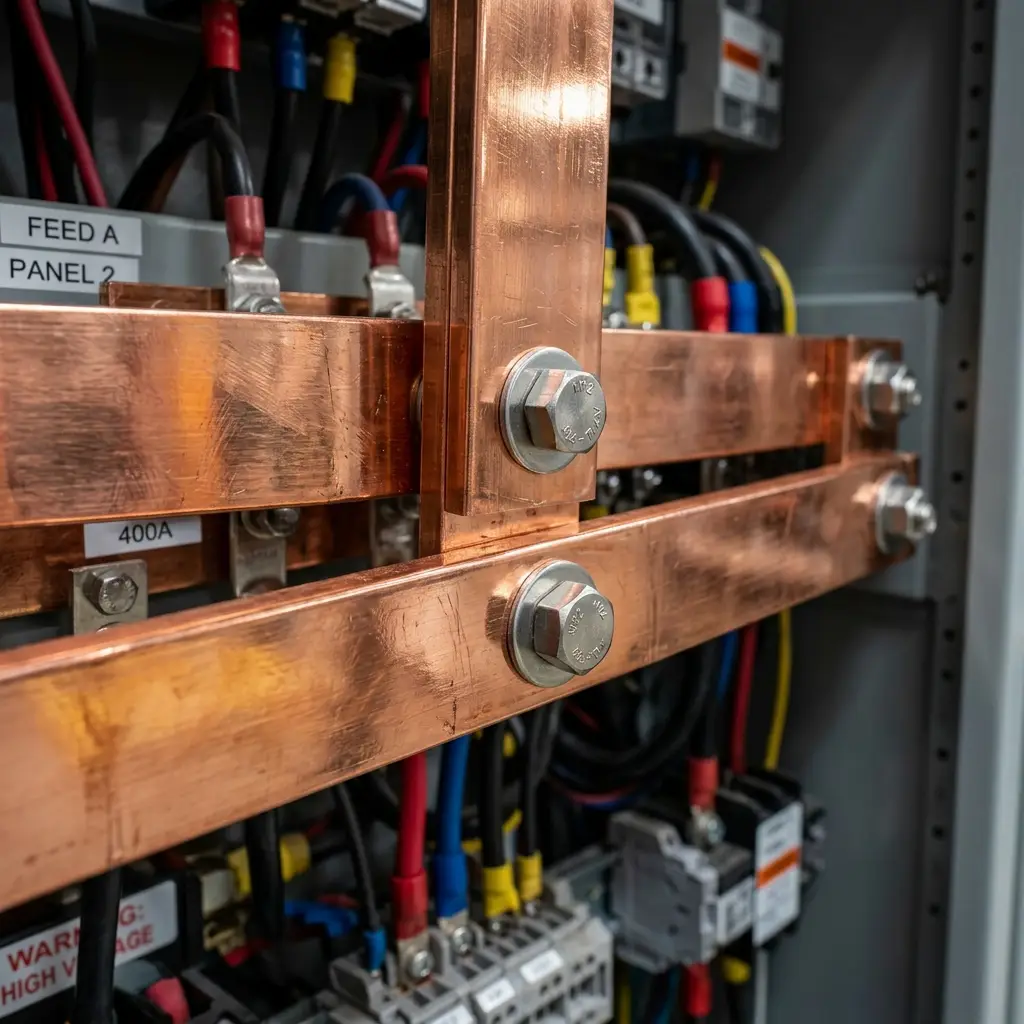
Copper Plating for Bus Bars: Improving Electrical Performance
Bus bars are the backbone of power distribution systems. Whether they are made of solid copper or aluminum, copper electroplating is often applied to enhance their performance and longevity.
Why Plate Copper on Bus Bars?
You might wonder: If a bus bar is already made of copper, why plate it with more copper? The answer lies in the surface finish.
1. Oxidation Prevention
Bare copper oxidizes over time, forming a non-conductive green or black layer. Electroplating a fresh, controlled layer of copper (often followed by tin) ensures the surface remains highly conductive at all connection points.
2. Improving Contact Resistance
A smooth, plated surface allows for better physical contact between bus bar joints. This reduces heat generation and energy loss in high-voltage panels.
3. Masking Surface Defects
Extruded copper bars often have minor surface scratches or pits. Electroplating fills these imperfections, creating a uniform surface for subsequent coatings like silver or tin.
The Plating Process for Bus Bars
At Platinex Industries, we use a specialized Rack Plating process for bus bars to ensure:
- Uniform Thickness: Usually between 5 to 15 microns.
- Perfect Coverage: No “shadowing” or unplated areas in complex bends.
- High Purity: Using 99.9% pure copper anodes.
Serving Nashik’s Switchgear Industry
Nashik is a major center for switchgear and control panel manufacturing. We work closely with local OEMs to provide copper plating that meets global standards for conductivity and adhesion.
Looking for a bus bar plating partner? Our Vilholi facility is equipped to handle bars up to 2 meters in length with a quick 1-day turnaround.