
1 min read read
Single-Layer vs. Duplex Nickel Plating: Performance Tradeoffs
One layer of nickel is decorative; two layers are structural protection. Learn how the Duplex Nickel system prevents red rust in automotive and marine environments.
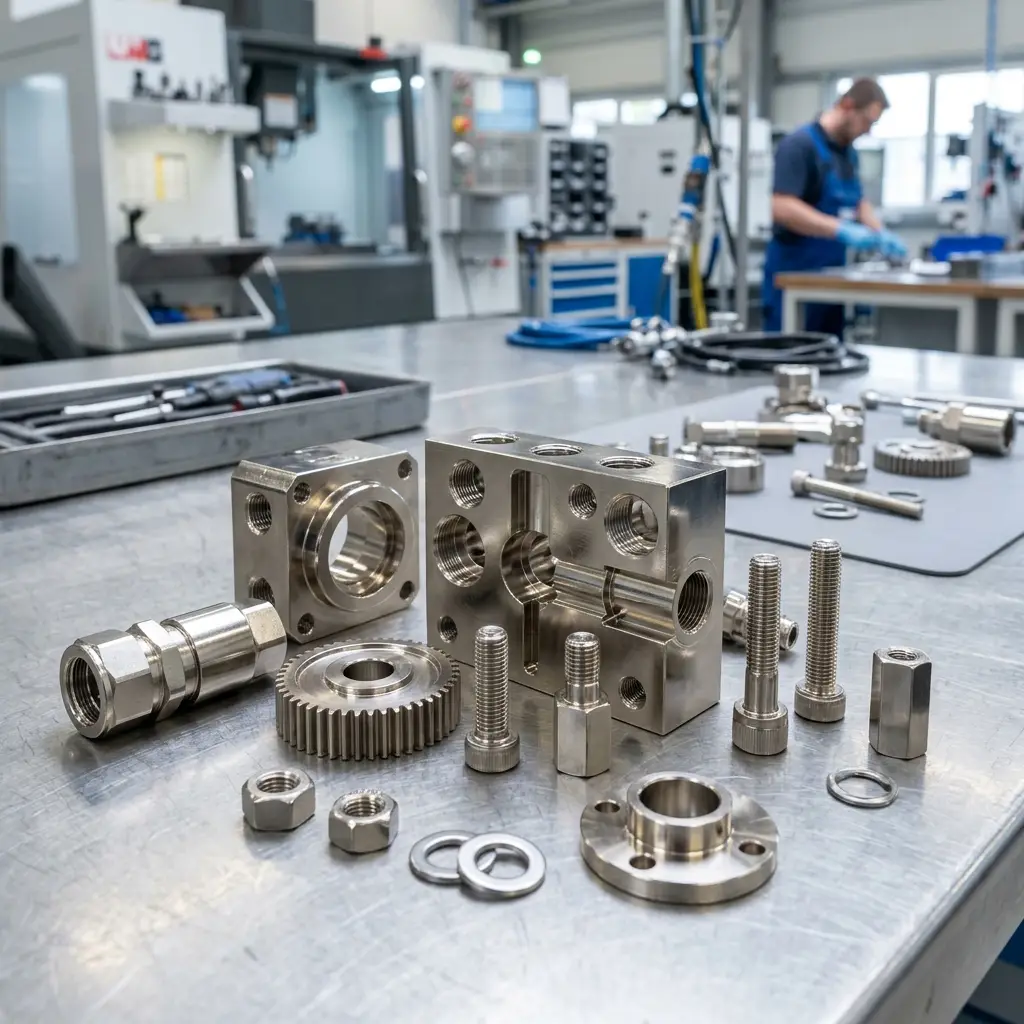
If you are designing parts for severe outdoor exposure—like motorcycle rims or boat hardware—single-layer bright nickel is guaranteed to fail. To achieve long-term survival, you must specify Duplex Nickel.
1. Single-Layer Bright Nickel
- Process: One layer of nickel containing sulfur-based brighteners.
- Pros: Fast, brilliant mirror finish, very shiny.
- Cons: Poor corrosion resistance. Corrosive pits eat straight down through the nickel to the steel, causing immediate red rust.
2. The Duplex Nickel System
- Process: A layer of Semi-Bright Nickel (sulfur-free) followed by a layer of Bright Nickel (sulfur-containing).
- The Secret: Because the bright nickel is more “active” than the semi-bright layer, the corrosion pit stops moving downward when it hits the boundary. Instead, the corrosion spreads sideways along the bright nickel layer, sacrificing it to save the semi-bright layer and the steel underneath.
The Performance Gap
In a standard salt spray test, a Duplex Nickel system can survive 500+ hours without red rust, whereas a single-layer bright nickel finish of the same total thickness might fail in under 48 hours.
For any exterior automotive or marine application, Duplex Nickel is the only professional choice. Contact Platinex Industries to discuss our multi-layer nickel capabilities.