
ASTM B733: Electroless Nickel Coating Classification System
Decoding the most important specification for Electroless Nickel. Learn how to correctly specify Phosphorus content, Thickness, and post-plate Heat Treatment classes.
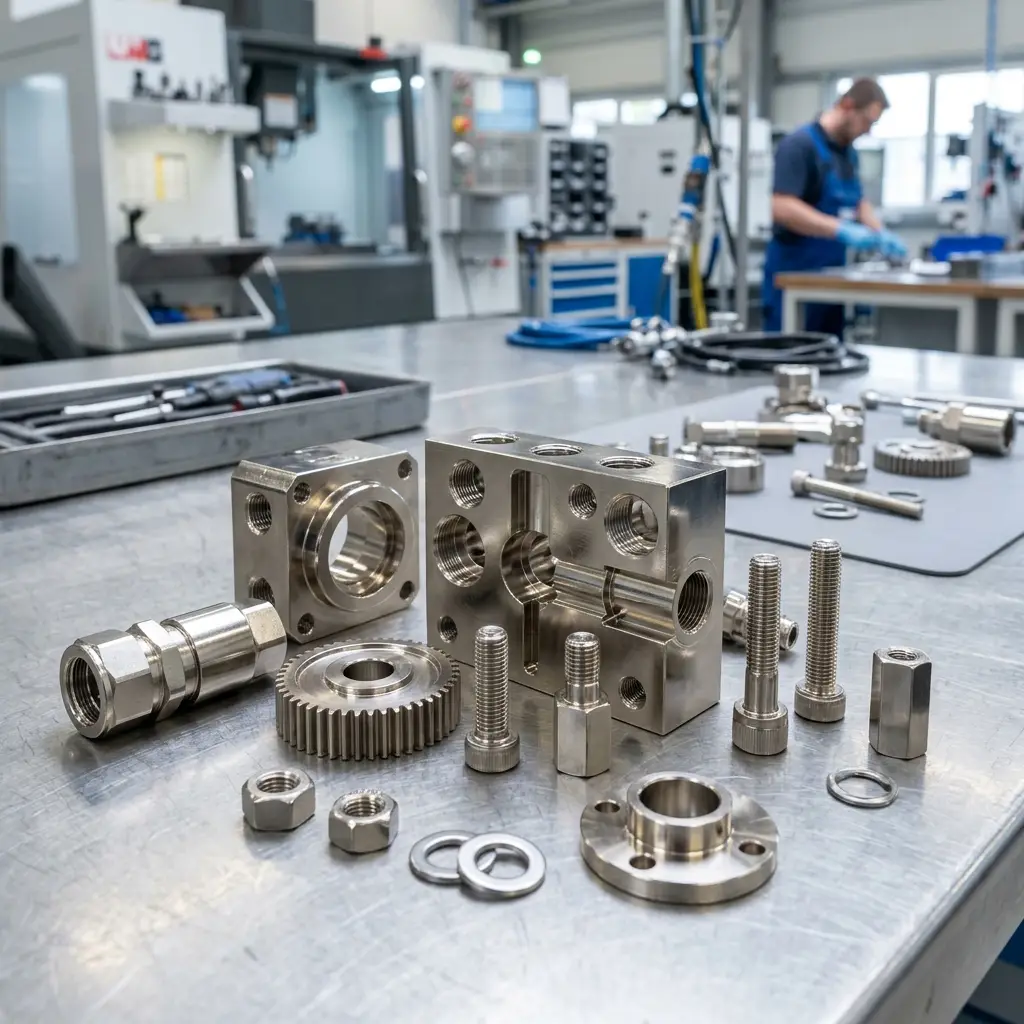
If you put “Electroless Nickel Plate” on an engineering drawing without further detail, you have effectively told the plater to “guess” what you need.
Electroless Nickel (ENP) is a highly customizable finish. By changing the phosphorus content and the post-plate heat treatment, you can create a coating that is either glass-hard for wear or highly ductile for corrosion.
To ensure everyone is on the same page, the industry uses ASTM B733. This guide decodes the ASTM B733 classification system so you can specify ENP like an expert.
1. The Phosphorus Alloy (The Types)
ASTM B733 categorizes ENP by its phosphorus content. This is the most critical decision for the engineer.
- Type I (Low Phos, 1-3% P): Extremely hard as-plated (60 HRC), but poor corrosion resistance. Used for alkaline chemical environments.
- Type IV (Medium Phos, 5-9% P): The general-purpose workhorse. Good balance of speed, cost, and hardness.
- Type V (High Phos, 10%+ P): The gold standard for corrosion. Amorphous and non-magnetic. Best for acidic and oilfield environments.
2. The Service Condition (The Thickness)
The “SC” number tells the plater how thick the coating should be based on the severity of the environment.
- SC1 (Mild): 5 µm. Used for electronics and indoor storage.
- SC2 (Moderate): 13 µm. General industrial use.
- SC3 (Severe): 25 µm. Marine and outdoor exposure.
- SC4 (Very Severe): 75+ µm. Direct contact with corrosive chemicals or high-wear industrial machinery.
3. The Heat Treatment (The Classes)
The “Class” number dictates what happens to the part after it leaves the plating tank.
- Class 1: As-plated. No heat treatment.
- Class 2: Heat-treated at 260°\textC - 400°\textC to increase hardness (reaches 68-70 HRC).
- Class 3: Heat-treated at 180°\textC - 200°\textC for 2-24 hours for hydrogen embrittlement relief on high-strength steel.
- Class 4: Heat-treated at 120°\textC - 130°\textC to improve adhesion on aluminum alloys.
How to Write a Perfect ASTM B733 Callout
A complete specification should look like this: “Electroless Nickel Plate per ASTM B733, Type V, SC3, Class 2.”
This tells the plater: “I need a High-Phos deposit, 25 microns thick, and I want it baked for maximum hardness.”
At Platinex Industries, we process High and Mid-Phos ENP to strict ASTM B733 standards. We provide XRF thickness reports and hardness verification with every batch. Contact our engineering team to optimize your ENP specifications.