
1 min read read
High-Phos vs. Mid-Phos vs. Low-Phos Electroless Nickel
Not all Electroless Nickel is the same. Learn how the phosphorus content fundamentally changes the hardness, magnetism, and corrosion resistance of the coating.
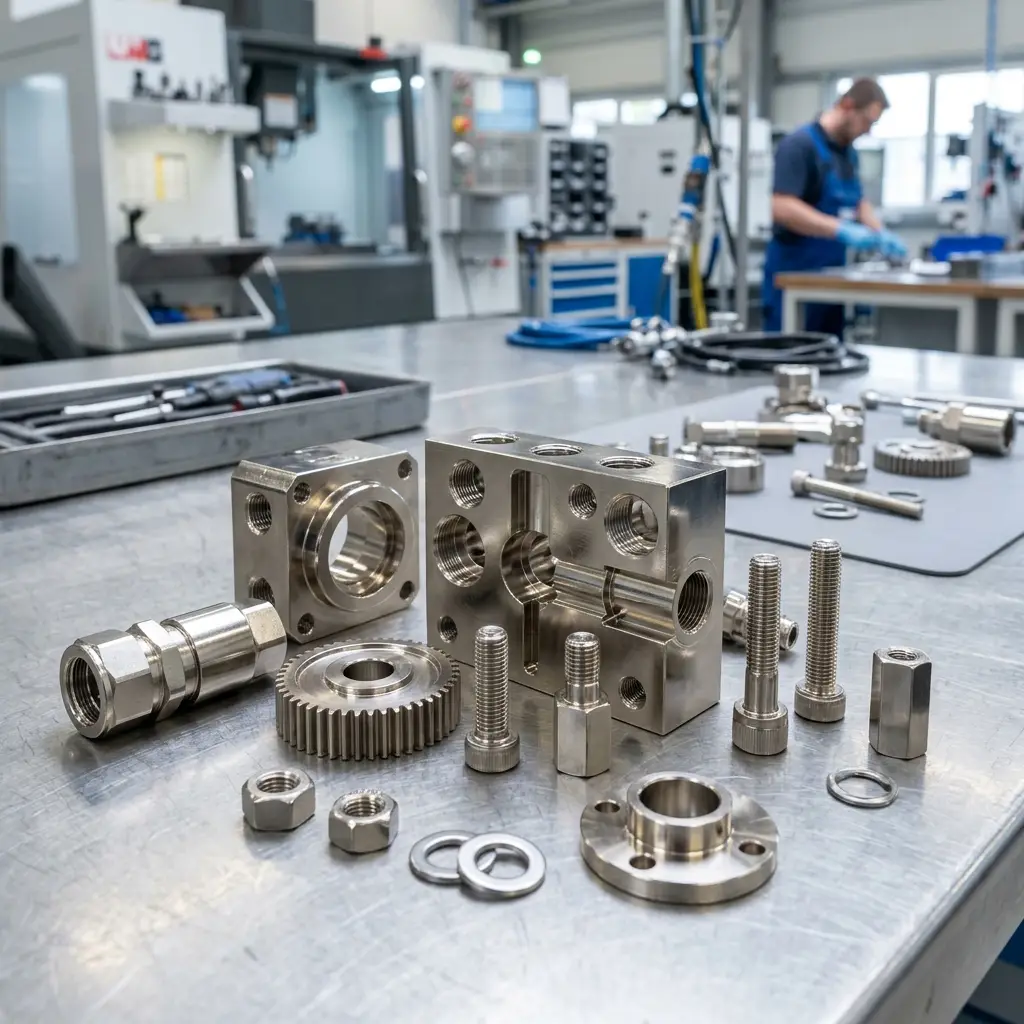
Electroless Nickel Plating (ENP) is a nickel-phosphorus alloy. By adjusting the amount of phosphorus in the bath, platers can create three very different materials. Choosing the wrong one for your environment can lead to unexpected failure.
1. Low-Phosphorus (1-3% P)
- Hardness: The hardest as-plated finish (60+ HRC).
- Environment: Excellent for highly alkaline (high pH) environments and heavy abrasive wear.
- Magnetism: Highly magnetic.
2. Mid-Phosphorus (5-9% P)
- The Workhorse: The most common and cost-effective ENP.
- Performance: Offers a good balance of hardness and corrosion resistance for general industrial machinery.
- Appearance: The brightest and most “silver” looking of the three.
3. High-Phosphorus (10-13% P)
- Corrosion Champion: The only choice for “sour gas” (H2S) in the oilfield and acidic environments.
- Amorphous Structure: It has no grain boundaries, making it an incredible barrier to chlorides.
- Magnetism: Non-magnetic (important for certain electronics and medical devices).
Summary Comparison
| Property | Low-Phos | Mid-Phos | High-Phos |
|---|---|---|---|
| Hardness | Extreme | Moderate | Low (unless baked) |
| Corrosion (Acid) | Poor | Good | Excellent |
| Magnetism | Yes | Yes | No |
Platinex Industries specializes in High-Phos ENP for the Oil & Gas and Chemical sectors. Contact our engineering team to match the phosphorus content to your specific operating environment.