
Black Spots on Silver Plating: Tarnish and Sulfur Prevention
Silver is a precious metal, but it is highly sensitive to sulfur. Learn how to prevent black spots and tarnish on your electrical contacts.
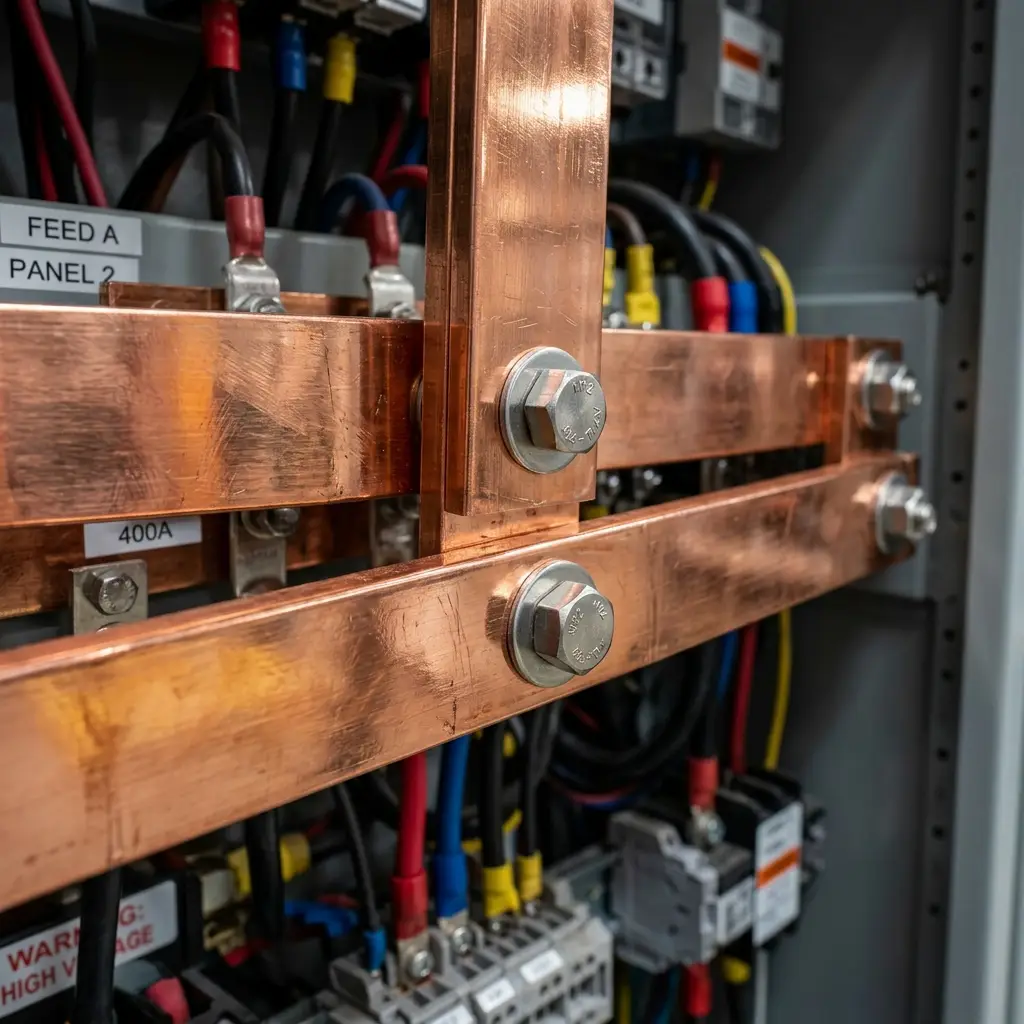
Silver is the most conductive metal on earth, making it essential for high-voltage switchgear. However, silver has a fatal aesthetic flaw: it reacts with sulfur in the air to form Silver Sulfide, resulting in ugly black spots or a completely blackened surface.
1. Does Tarnish Affect Performance?
Fortunately, no. Silver sulfide is actually quite conductive. Unlike copper oxide (which is an insulator), a tarnished silver contact will still pass current efficiently. For most industrial switchgear, tarnish is purely a cosmetic issue.
2. Preventing Tarnish (Anti-Tarnish Dips)
Platers can apply a “post-plate” anti-tarnish dip. These are often organic films or microscopic layers of gold or chrome that act as a barrier to sulfur gas.
- The Limit: These films can be rubbed off during assembly or burned off at high temperatures.
3. Proper Packaging
The best way to prevent black spots is proper storage. Silver-plated parts should be wrapped in sulfur-free paper or sealed in airtight plastic bags with “tarnish-inhibitor” strips. Never store silver near cardboard or rubber bands, which contain high levels of sulfur.
Platinex Industries provides high-purity silver plating for critical electrical infrastructure. We utilize premium anti-tarnish treatments and specialized packaging to ensure your parts arrive in pristine condition. Contact us for your silver plating needs.