
Tin Plating for Electrical Contacts: A Complete Guide
A comprehensive guide to tin plating for electrical contacts: Why it is used, its benefits for solderability, and its role in switchgear manufacturing.
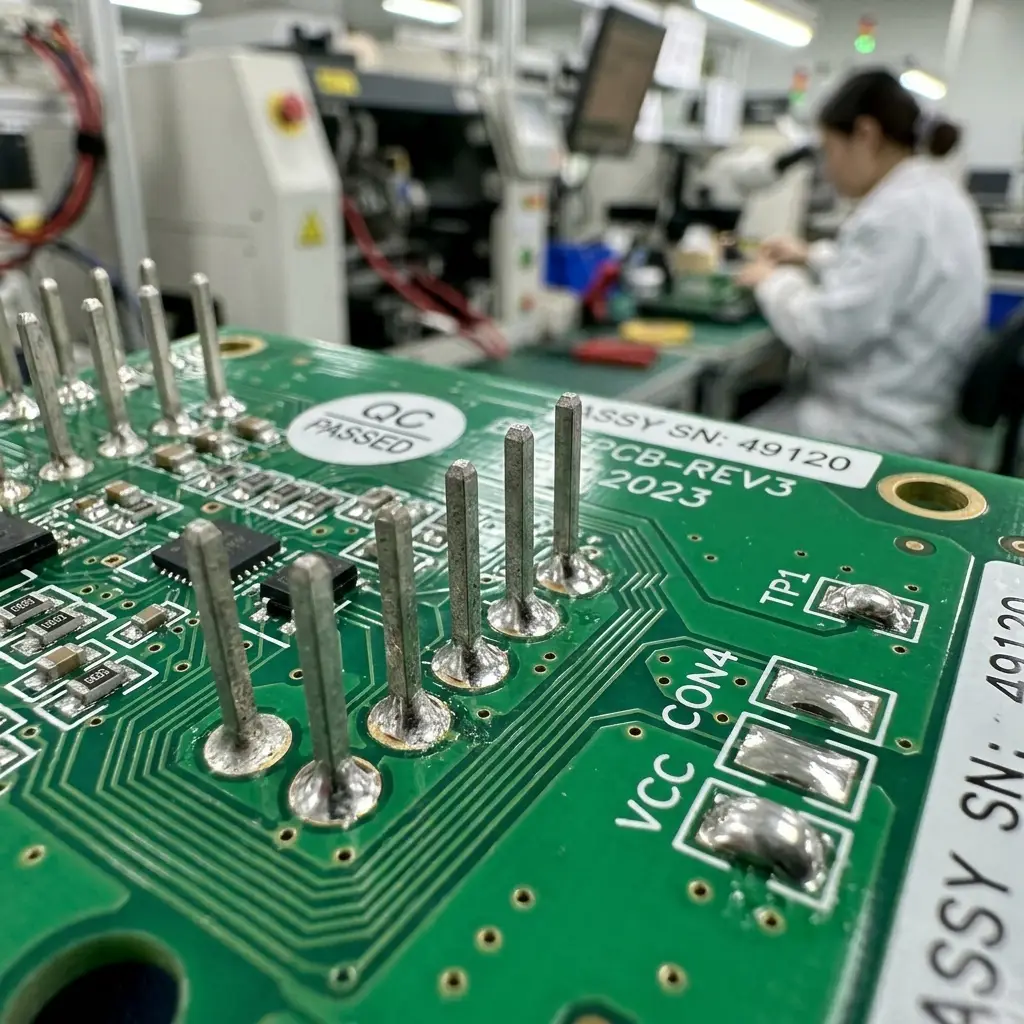
Tin Plating for Electrical Contacts: A Complete Guide
In the electrical and electronics industries, reliable connectivity is everything. Tin plating is the preferred choice for coating electrical contacts, terminals, and connectors due to its unique physical and chemical properties.
Why Tin?
Tin is a soft, malleable, and silvery-white metal that offers several key advantages for electrical applications:
1. Excellent Solderability
The biggest advantage of tin plating is its ability to be easily soldered. This makes it essential for components that need to be permanently attached to PCBs or other wires.
2. Corrosion Resistance
Tin naturally forms a thin oxide layer that protects the base metal from oxidation. This is crucial for maintaining low contact resistance over the life of the component.
3. Low Contact Resistance
Because tin is soft, it deforms slightly when clamped or pressed, increasing the surface area of the contact and reducing electrical resistance.
Applications in Switchgear and Power
Nashik is a hub for switchgear manufacturing, and tin plating plays a vital role here:
- Bus Bar Terminals: Tin prevents copper oxidation at the joints.
- Circuit Breaker Contacts: Provides a reliable surface for high-current transfer.
- Capacitor Leads: Ensures easy soldering during assembly.
Bright vs. Matte Tin
- Bright Tin: Has a shiny, decorative appearance. It is often preferred for consumer electronics.
- Matte Tin: Has a duller appearance but is less prone to “whisker” growth (tiny metallic hairs that can cause short circuits).
Quality Control at Platinex
At Platinex Industries, we ensure that our tin plating meets the highest standards:
- Thickness Testing: We verify the 2–10 µm range using XRF.
- Adhesion Tests: Ensuring the coating doesn’t peel under stress.
- Solderability Checks: Confirming that your assembly process will be seamless.
If you are manufacturing electrical components in Nashik MIDC, our tin plating line is designed to handle your high-volume requirements with a 24-hour turnaround.
Have a technical query? Reach out to our experts.