
Zinc vs. Zinc-Nickel Plating: A Head-to-Head Comparison
Comparing standard zinc electroplating with zinc-nickel alloy plating. Understand the differences in corrosion resistance, cost, temperature stability, and when an upgrade to zinc-nickel is justified.
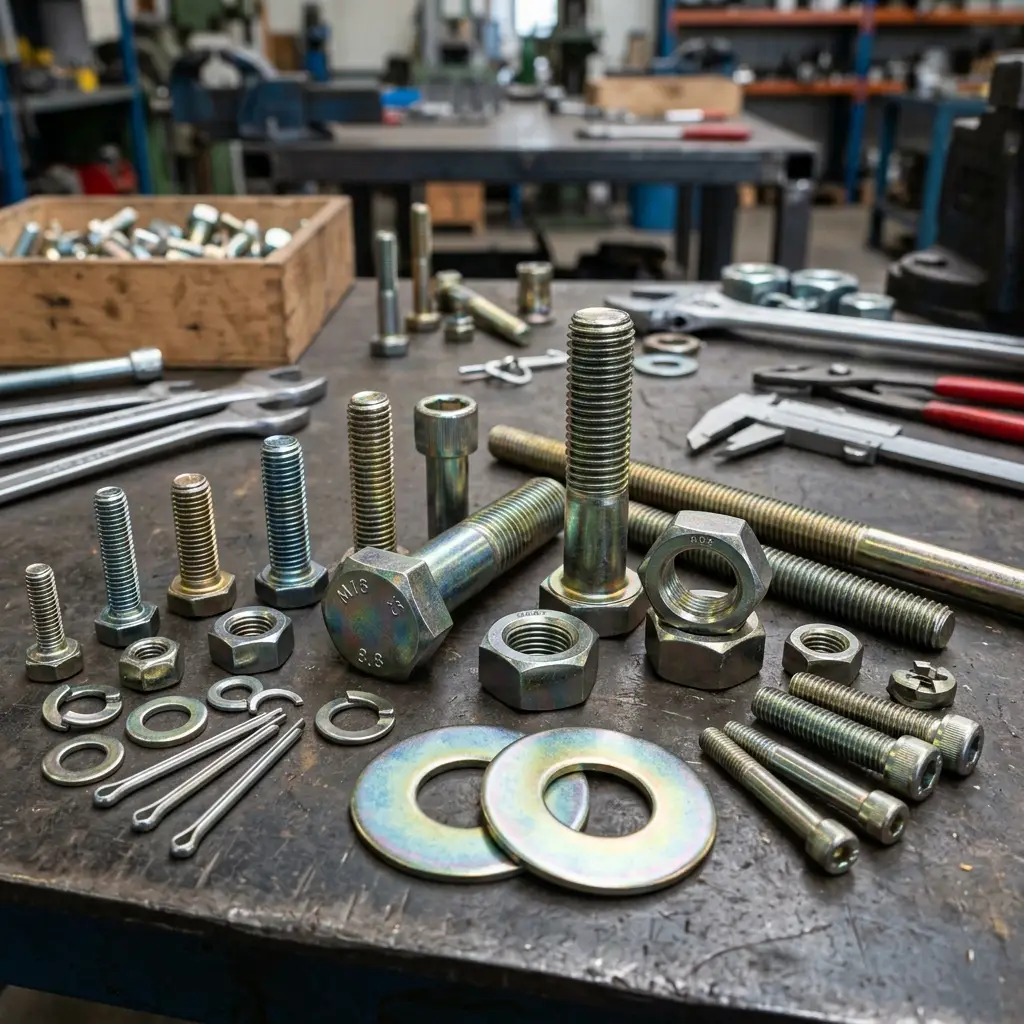
For decades, standard zinc electroplating has been the default choice for protecting steel components from corrosion. It is cost-effective, readily available, and provides excellent sacrificial protection. However, as industries—particularly automotive and heavy equipment—push for longer warranties and better performance in harsher environments, standard zinc often falls short.
Enter Zinc-Nickel (Zn-Ni) alloy plating. By co-depositing a small amount of nickel with the zinc, the corrosion resistance of the coating increases exponentially.
But when is the significant price premium for zinc-nickel justified? This guide provides a direct comparison to help you choose the right finish for your application.
1. Corrosion Resistance (Salt Spray Performance)
This is the primary reason engineers upgrade to zinc-nickel.
Both coatings protect steel “sacrificially”—meaning the coating corrodes before the underlying steel does. The failure of the coating is measured in two stages during ASTM B117 Neutral Salt Spray testing:
- White Rust: The zinc coating begins to oxidize.
- Red Rust: The coating has failed completely, and the underlying steel is rusting.
| Coating (8-12 µm thickness) | Passivation | Hours to White Rust | Hours to Red Rust |
|---|---|---|---|
| Standard Zinc | Trivalent Clear | 48 - 72 hrs | 120 - 240 hrs |
| Standard Zinc | Trivalent Yellow | 96 - 120 hrs | 240 - 400 hrs |
| Zinc-Nickel (12-15% Ni) | Trivalent Clear | 240 - 300 hrs | 720 - 1,000+ hrs |
| Zinc-Nickel (12-15% Ni) | Trivalent Black | 240 - 300 hrs | 720 - 1,000+ hrs |
The Verdict: Zinc-nickel provides 3 to 5 times the corrosion protection of standard zinc at the same thickness. It easily exceeds the 720-hour red rust requirements mandated by modern automotive OEMs.
2. Thermal Stability
What happens to a plated component when it gets hot? (e.g., fasteners in an engine bay, or brake system components).
- Standard Zinc: The trivalent passivation layer on standard zinc begins to break down at temperatures around 120°C (250°F). Once the passivation is damaged by heat, the zinc oxidizes rapidly, and corrosion protection plummets.
- Zinc-Nickel: The gamma-phase crystal structure of the Zn-Ni alloy (at 12-15% Ni) is highly thermally stable. Zinc-nickel coatings maintain their outstanding corrosion resistance even after prolonged exposure to temperatures up to 200°C - 250°C (400°F - 480°F).
The Verdict: For under-hood automotive applications, braking systems, or high-temperature industrial environments, Zinc-Nickel is strictly required.
3. Hardness and Wear Resistance
While neither coating is intended primarily for wear resistance (like hard chrome), the hardness of the coating affects how it behaves during assembly, handling, and crimping.
- Standard Zinc: Relatively soft (approx. 70-100 HV). It is prone to scratching during bulk handling, which can prematurely expose the steel.
- Zinc-Nickel: Considerably harder (approx. 400-450 HV). It is highly resistant to scratching, abrasion, and damage during automated assembly or wrenching.
The Verdict: Zinc-nickel’s hardness ensures the coating remains intact during aggressive handling and assembly.
4. Galvanic Compatibility with Aluminum
When a steel fastener is bolted into an aluminum housing (a very common scenario in modern lightweight automotive design), a galvanic couple is created. If moisture is present, galvanic corrosion accelerates the degradation of the less noble metal.
- Standard Zinc: The galvanic potential difference between standard zinc and aluminum is large enough that the zinc will rapidly sacrifice itself, leading to premature red rust on the steel fastener.
- Zinc-Nickel: The addition of 12-15% nickel shifts the galvanic potential of the coating to be nearly identical to that of aluminum.
The Verdict: If you are fastening steel into aluminum, Zinc-Nickel minimizes galvanic corrosion, protecting both the fastener and the aluminum housing.
5. Cost
This is the limiting factor for zinc-nickel.
- Standard Zinc: The baseline for cost-effective corrosion protection. The chemicals are inexpensive, and the process is fast and highly efficient.
- Zinc-Nickel: Typically costs 40% to 80% more than standard zinc plating. Why?
- Nickel metal is significantly more expensive than zinc.
- The bath chemistry is complex and requires expensive organic complexing agents.
- The plating speed is slower, reducing line throughput.
- Quality control requires expensive XRF (X-ray Fluorescence) testing to ensure the nickel content stays within the strict 12-15% window.
The Verdict: Standard zinc wins on upfront cost. However, for critical components, the Total Cost of Ownership (factoring in warranty claims, recalls, and field failures) often makes zinc-nickel the cheaper option in the long run.
Summary: Which Should You Specify?
Specify Standard Zinc when:
- The component is used indoors or in mild outdoor environments.
- Cost is the primary driver for commoditized hardware.
- The required salt spray life to red rust is under 240 hours.
- Operating temperatures remain below 120°C.
Upgrade to Zinc-Nickel (12-15% Ni) when:
- Supplying automotive OEMs requiring 500 to 1,000+ hours of salt spray resistance.
- The component will be exposed to high heat (engine bays, brakes, exhaust proximity).
- The steel fastener will be mated with aluminum components.
- The part will be exposed to harsh environments (road salt, marine, agricultural chemicals).
- The cost of a field failure or warranty claim far exceeds the cost of the part.
Platinex Industries offers both alkaline zinc and high-performance zinc-nickel plating lines. Contact our engineering team to evaluate which coating provides the best value for your specific application.