6 min read
Technical Guides Aluminium is one of the most challenging substrates to electroplate. This guide explains why, and how the zincate double-dip process makes reliable plating on aluminium possible for engineering applications.

Insights, updates, and knowledge sharing from the world of electroplating and metal finishing.
Aluminium is one of the most challenging substrates to electroplate. This guide explains why, and how the zincate double-dip process makes reliable plating on aluminium possible for engineering applications.
Hydrogen embrittlement is the hidden killer of high-strength plated fasteners. This guide explains how hydrogen gets into steel during plating, what it does to mechanical properties, and why baking is the only reliable fix.
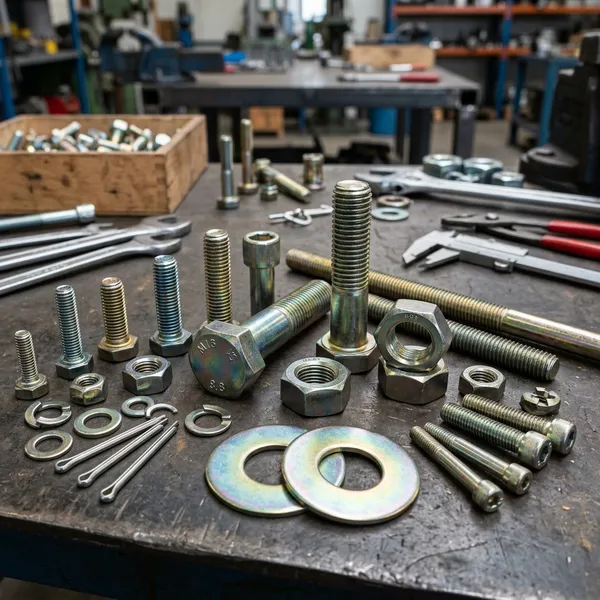
A complete guide to barrel electroplating — the process that makes bulk plating of small parts economically viable. Covers barrel geometry, current flow physics, loading calculations, and what parts are and are not suitable.
Why silver is the preferred plating for switchgear contacts, bus bar joints, and high-current terminals. Covers silver bath chemistry, thickness selection, anti-tarnish treatments, and cost-performance trade-offs.
Why zinc-nickel alloy electroplating has become the standard corrosion protection for automotive underbody and fastener applications. Process chemistry, nickel content selection, and OEM specification guide.
A complete guide to alkaline non-cyanide zinc electroplating — covering bath chemistry, throwing power advantages, and when to choose it over acid chloride zinc for industrial applications.