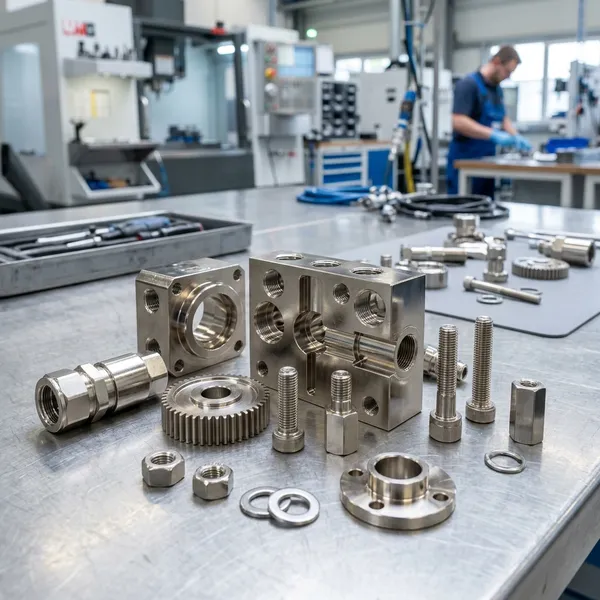
4 min read
Technical Guides Electroplating does not hide bad machining; it magnifies it. Learn how the Ra (Roughness Average) of your substrate impacts plating thickness distribution, corrosion resistance, and final cosmetics.

Electroplating does not hide bad machining; it magnifies it. Learn how the Ra (Roughness Average) of your substrate impacts plating thickness distribution, corrosion resistance, and final cosmetics.
Electroplating is highly sensitive to the metallurgical state of the substrate. Learn why the timing of case hardening, annealing, and stress relieving dictates the success or failure of the final plated finish.
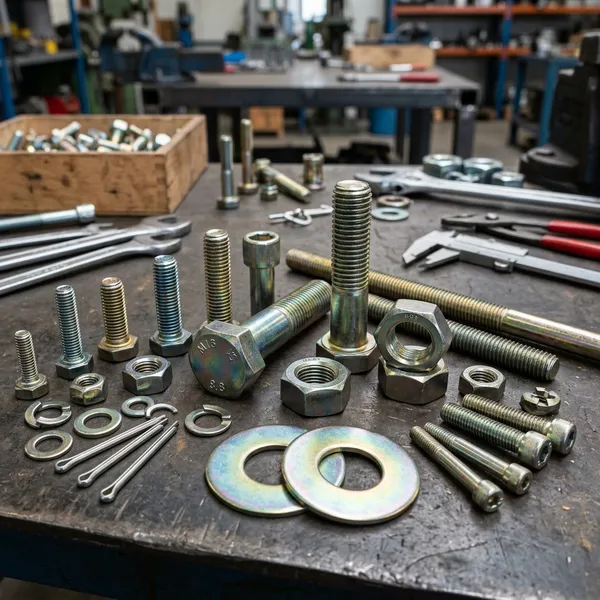
High-tensile steel fasteners are the backbone of heavy machinery, but they are uniquely vulnerable to catastrophic failure when electroplated. Learn the strict baking requirements for Grade 10.9 and 12.9 steel.
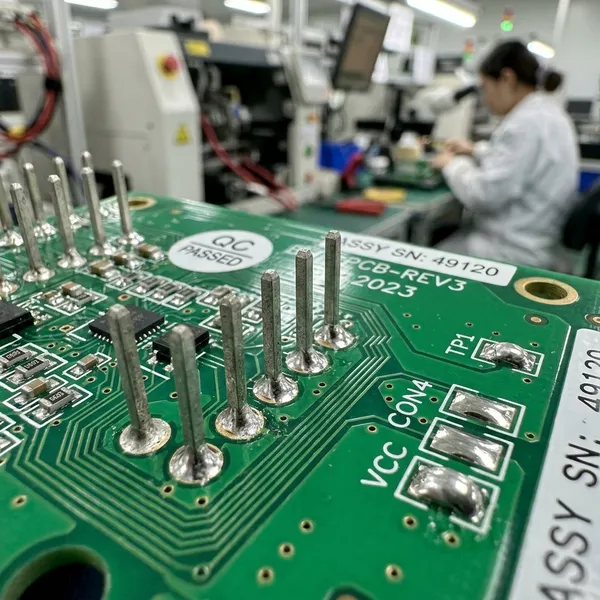
Understand the critical engineering differences between matte and bright tin plating, including whisker mitigation, solderability, and friction coefficients.
Why do premium finishes require three different layers of metal? Explore the engineering behind multi-layer plating stacks like Copper-Nickel-Chrome and Copper-Nickel-Tin for automotive and electronic applications.
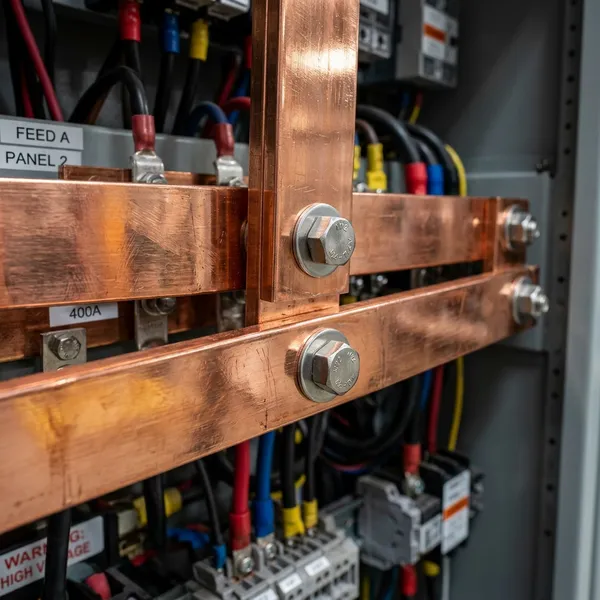
What happens when you weld steel to copper and drop it in a plating tank? Learn how to plate brazed and welded assemblies containing dissimilar metals without causing galvanic destruction.