4 min read
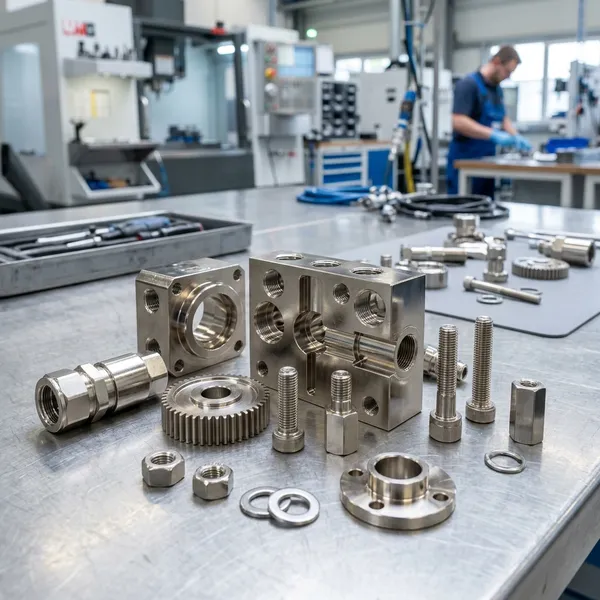
Technical Guides Electroplating does not hide bad machining; it magnifies it. Learn how the Ra (Roughness Average) of your substrate impacts plating thickness distribution, corrosion resistance, and final cosmetics.

Electroplating does not hide bad machining; it magnifies it. Learn how the Ra (Roughness Average) of your substrate impacts plating thickness distribution, corrosion resistance, and final cosmetics.
Electroplating is highly sensitive to the metallurgical state of the substrate. Learn why the timing of case hardening, annealing, and stress relieving dictates the success or failure of the final plated finish.
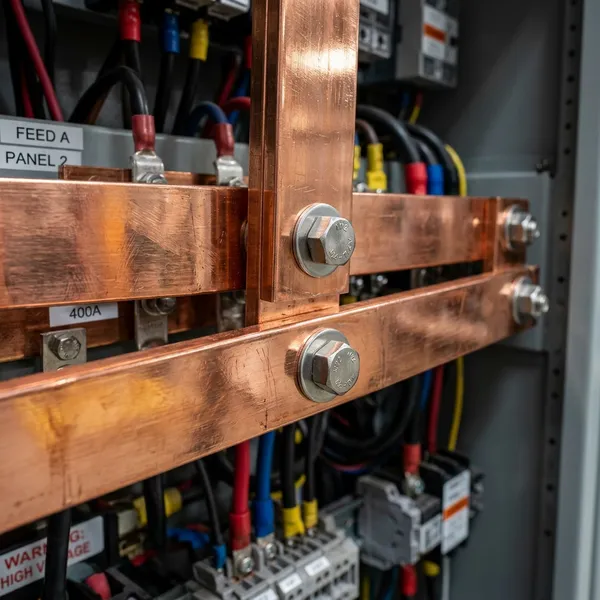
What happens when you weld steel to copper and drop it in a plating tank? Learn how to plate brazed and welded assemblies containing dissimilar metals without causing galvanic destruction.
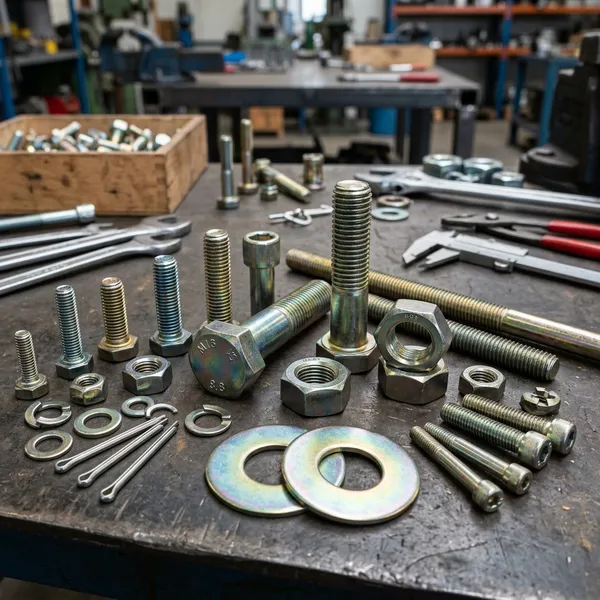
The final step before plating is removing rust and mill scale. Compare the aggressive speed of Hydrochloric Acid against the controlled descaling power of Sulfuric Acid in the pre-treatment line.
If your plating is peeling, your cleaning line is failing. Learn the distinct roles of hot alkaline soak cleaners and anodic/cathodic electrocleaners in preparing metal for perfect adhesion.
Cast iron is notoriously difficult to electroplate due to its porosity and free carbon content. Learn the pre-treatment secrets and why alkaline plating baths often fail on castings.
Stainless steel rejects electroplating because of its passive chromium oxide layer. Learn how to break this barrier using a Wood’s Nickel Strike to achieve flawless adhesion.
Brass and Bronze are excellent conductors and easily machined, but the lead and zinc within these alloys can sabotage electroplating. Learn the specific pre-treatment and underplating techniques required for copper alloys.
Understand the differences between Zinc, Iron, and Manganese phosphate conversion coatings. Learn how these non-metallic layers improve paint adhesion, retain lubricants, and prevent galling.
A technical guide to the copper strike layer. Understand why attempting to plate directly onto certain substrates causes immediate adhesion failure, and how a thin, cyanide or alkaline copper strike ensures a flawless final deposit.
A troubleshooting guide for plating adhesion failures. Learn why electroplated coatings peel, blister, or flake off, and how to identify whether the root cause is poor substrate preparation, bath contamination, or metallurgical mismatch.